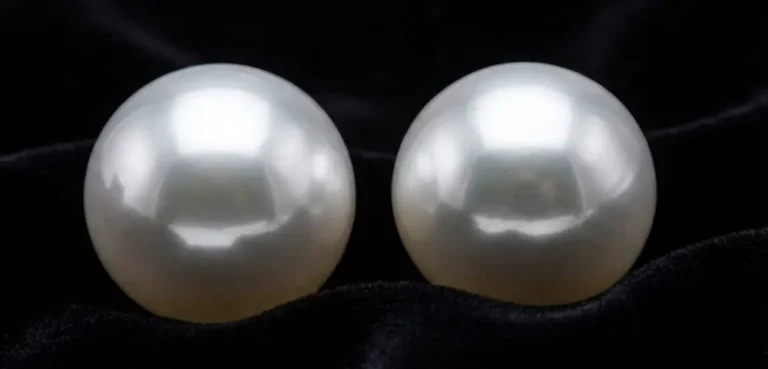
Knowing how to buy pearls in bulk is step one. Getting consistent quality across 10 kilograms, 100 kilograms, or 500 kilograms — that’s where most B2B buyers run into trouble. One sample strand looks perfect. The bulk shipment arrives and the luster is off, the sizes drift, the surface blemish rate is three times what was agreed. If that’s happened to you, this guide exists for that reason.
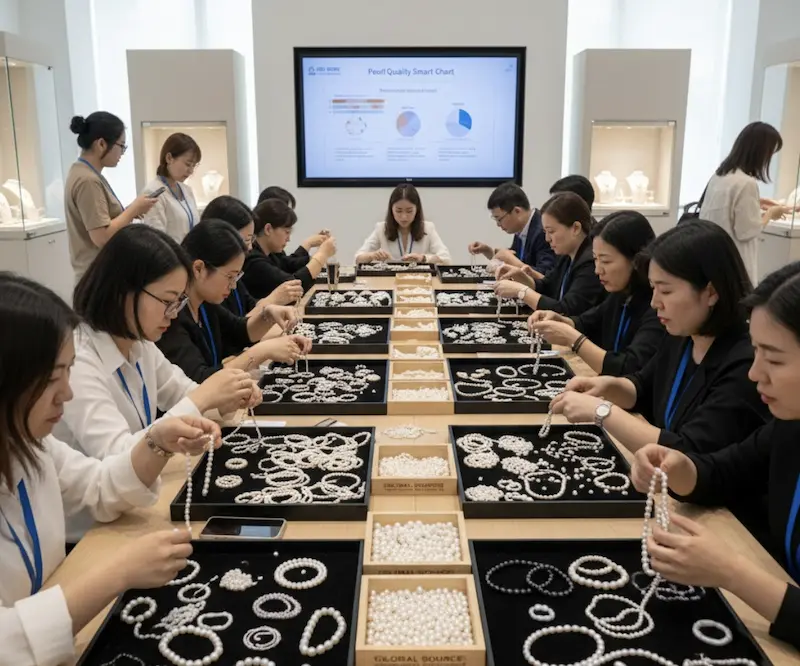
At Xinye Pearl, we manage over one million square meters of freshwater pearl farming operations and process millions of pearls each year. Everything in this guide comes from that production floor, not theory.
Want to buy pearls in bulk without getting burned? The steps below cover sourcing models, quality grading, tiered pricing, logistics, and the checklist you need before any large order ships. Whether you’re sourcing freshwater pearls for a jewelry brand, building inventory for a fast-fashion retailer, or locking in an annual supply contract, this is where you start.
Understanding the 3 bulk sourcing models
Most buyers who want to buy pearls in bulk have a vague idea of what they want. They say “wholesale pearls” and mean three very different things. The sourcing model you choose changes your cost, your in-house labor requirements, and the lead time. Here’s how to pick the right one.
Model 1: The harvest lot (统货)
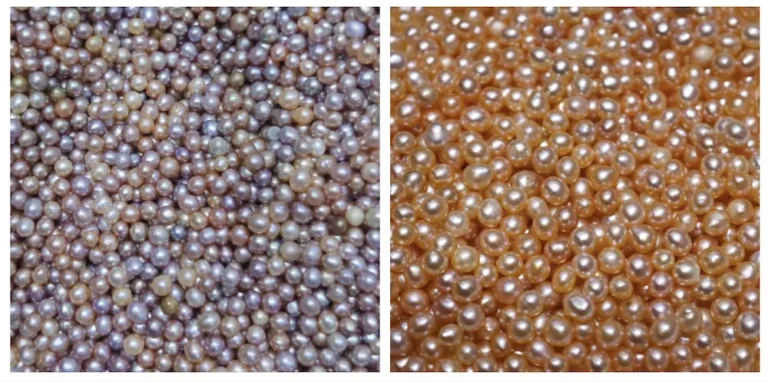
This is raw-sorted, unsorted stock straight from the harvest. You get everything in a given size range — good pearls, decent pearls, pearls with visible blemishes. Price per kilogram is at its lowest here, often 40–60% below pre-sorted equivalents. The trade-off is that you need your own sorting team or you absorb the inconsistency into your finished product.
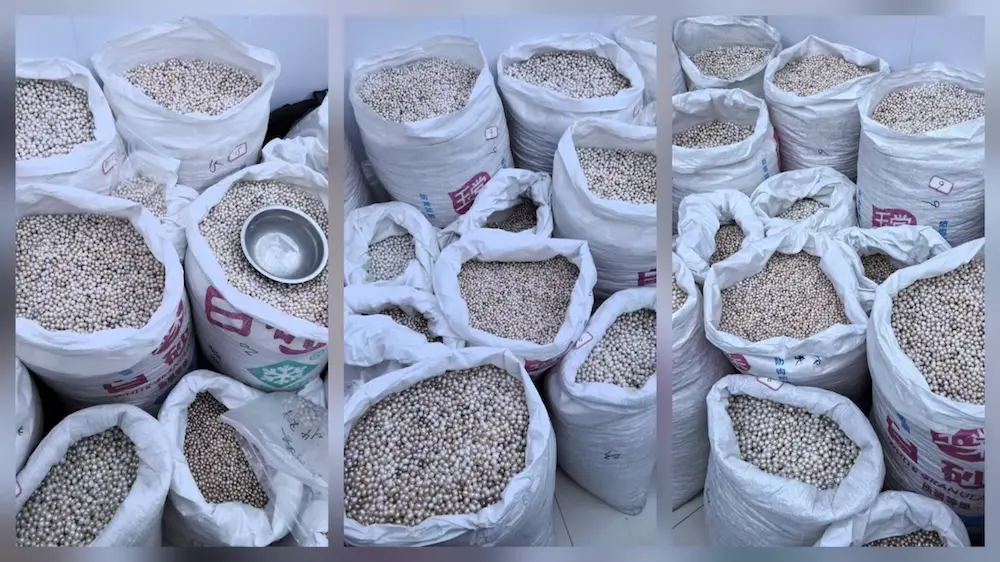
Who this works for: large manufacturers with in-house QC staff who want maximum raw material at minimum cost. If you have 10 people who can sort and grade, harvest lots are a real lever on margin. This is the lowest-cost way to buy pearls in bulk.
Model 2: Pre-sorted strands (精选半成品)
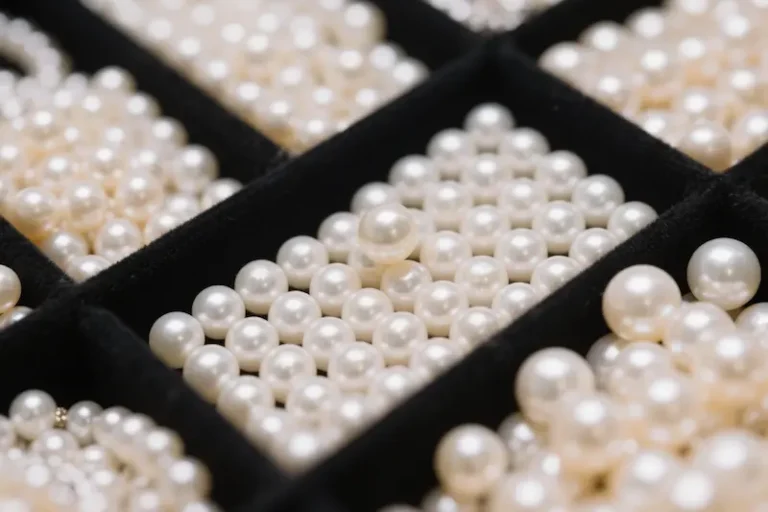
This is the most common format for wholesale pearls buyers. You order by grade (A through AAAAA) and size (6mm, 8mm, 10mm, etc.). The pearls arrive matched, strung, and ready for setting or re-stringing. Grading standards for wholesale pearls at this level are based on four factors: luster, surface cleanliness, shape roundness, and size consistency. Nacre thickness is verified separately.
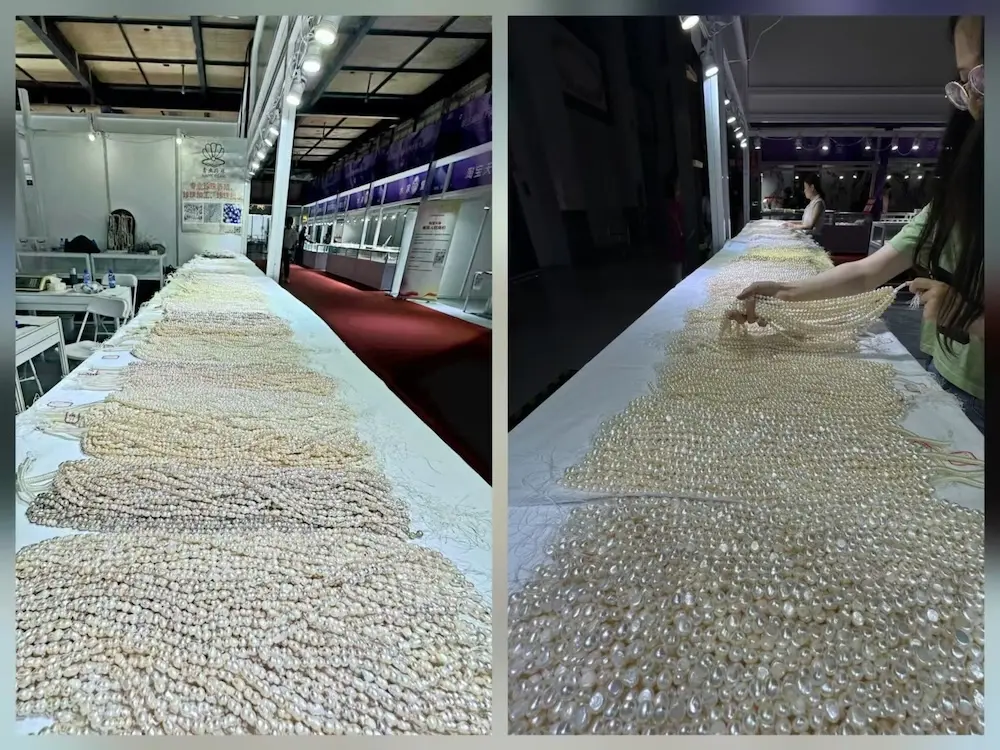
Who this works for: jewelry brands and designers who can’t afford sorting downtime but want factory-direct freshwater pearls wholesale pricing without retail markup.
Model 3: Finished jewelry components (定制成品)
Here, you get drilled pearls matched and ready for assembly — size-sorted, luster-matched, and pre-drilled to your spec. Custom drilling for bulk pearl orders is handled at the factory level, which means you’re not paying a third-party workshop to do it. This format suits fast-fashion brands and large retailers who need drop-in components, not raw materials.
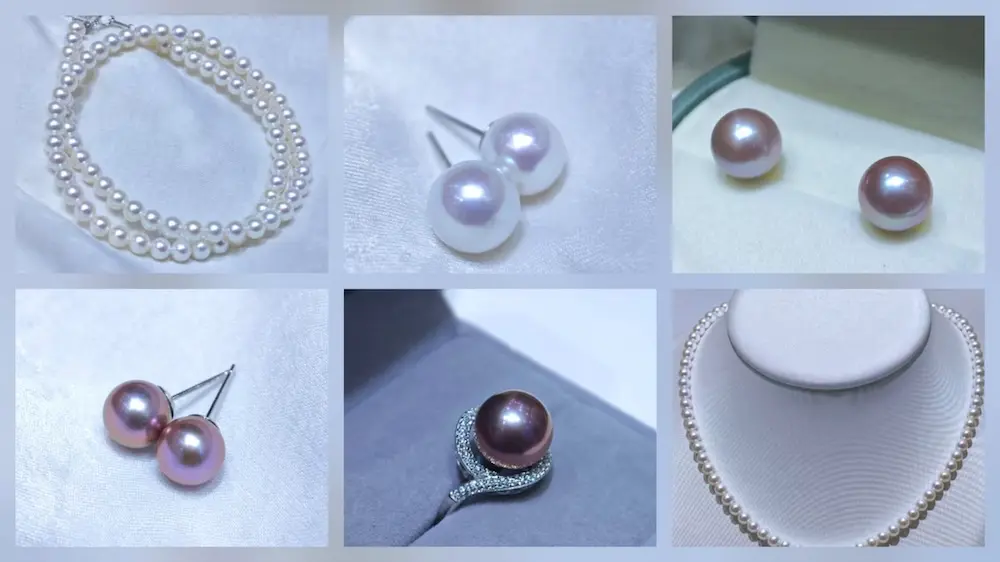
Who this works for: brands ordering 500kg+ annually who want to reduce assembly steps in their own production lines. When you buy pearls in bulk as finished components, the factory does the sorting, matching, and drilling so your team doesn’t have to.
| Model | Price level | In-house sorting needed | Best for |
|---|---|---|---|
| Harvest lot (统货) | Lowest | Yes — significant labor | Large manufacturers with QC teams |
| Pre-sorted strands | Mid | Minimal | Jewelry brands, designers |
| Finished components | Higher | None | Fast-fashion retailers, large volume buyers |
Table 1. The three B2B sourcing models and their trade-offs.
How to evaluate quality stability at scale
Here’s the conversation we have with almost every new buyer who wants to buy pearls in bulk: “Your samples were perfect. Can you guarantee the bulk order looks the same?” The honest answer is: we can guarantee the grade parameters, not that every pearl is identical. Here’s why that distinction matters, and how we manage it.
The batch logic
Pearls are a natural product. Each harvest season produces pearls with slight variations in overtone, surface texture, and size distribution — even from the same farm. A buyer sourcing freshwater pearls in January will get a different harvest batch than one sourcing in July. That’s not a quality failure; it’s biology. What you can control is the grade specification written into the contract. If you lock in “AAAA minimum, surface blemish rate below 5%, luster grade mirror or near-mirror,” that’s verifiable regardless of which harvest lot it comes from. This is the single most important thing to understand before you buy pearls in bulk for the first time.
Tech-driven sorting
At Xinye Pearl, bulk orders go through automated sorting equipment that separates by size (±0.5mm tolerance), filters out pearls below luster threshold, and flags blemish rates that exceed the contracted spec. The reject rate on a well-specified bulk order typically runs under 3% by unit count. That number gets locked into the purchase contract. If the delivered batch runs higher, we replace. This is what a traceable pearl supply chain for B2B actually looks like — not a promise, but a verifiable number in writing.
What “bulk quality consistency” actually means
Bulk quality consistency for pearls is not “every pearl is identical.” It means every pearl in the shipment meets the agreed floor: minimum luster grade, maximum blemish rate, minimum nacre thickness, size within specified tolerance. The grading standards for wholesale pearls work within those parameters. The mistake most first-time buyers make when they buy pearls in bulk is expecting retail-counter uniformity at wholesale volume pricing. That doesn’t exist in any natural gemstone category.
| Grade | Luster | Surface blemish rate | Shape | Nacre thickness |
|---|---|---|---|---|
| AAAAA | Mirror — sharp reflections, near-perfect | <1% | Round / near-round | Thick (>0.5mm) |
| AAAA | Very high — crisp reflections | <5% | Near-round | Medium-thick |
| AAA | Good — defined reflections | <10% | Near-round to slightly off | Medium |
| AA | Moderate — visible but soft | <20% | Off-round acceptable | Standard |
| A | Low | <35% | Irregular acceptable | Thin |
Table 2. Xinye Pearl’s working grading parameters. Note: no universal pearl grading standard exists. Always request written grade definitions from any supplier before placing a bulk order.
A word on grade inflation: “AAAAA” from one seller may equal “AAA” from another. This is an industry-wide problem. Always request a physical reference hank or video inspection of actual stock before confirming a bulk order.
The financials: tiered pricing and profit margins
Wholesale pearl pricing tiers by volume exist because the cost structure of pearl sorting and shipping changes at different scales. Here’s the actual logic — not marketing copy. Understanding this is what separates buyers who know how to buy pearls in bulk strategically from those who just pick the cheapest per-kilogram number.
At 10kg, you’re still paying relatively high per-kilogram sorting costs because the labor to select and grade those pearls is spread across a small volume. Shipping cost per kilogram is also highest at this tier. At 100kg, labor cost per unit drops as the sorting run is long enough to justify a full machine run. At 500kg+, you’re in full-production-run territory — lowest labor per unit, logistics costs amortized across a large shipment, and you have real negotiating leverage on payment terms.
The other variable is the high-end Akoya alternative wholesale market. Edison pearls and high-luster metallic freshwater pearls now compete directly with Akoya at 10–15% of the Akoya wholesale cost. A 12mm Edison pearl strand wholesales at roughly $300 and retails for $1,800–2,500. A comparable Akoya strand wholesales at $650–900. Both retail at comparable prices to the customer. If you buy pearls in bulk at the Edison tier, the margin structure is significantly better than Akoya for brands sourcing direct from pearl farm China.
| Volume tier | Per-kg price index | Why the discount exists | Typical payment terms |
|---|---|---|---|
| 10kg | 100 (baseline) | High per-unit sorting labor, small run | 50% deposit, 50% before ship |
| 50kg | ~82 | Full machine run, logistics amortized | 40% deposit, 60% before ship |
| 100kg | ~70 | Dedicated production batch, reduced rework | 30% deposit, 70% net-30 |
| 500kg+ | ~55–60 | Annual contract, full sorting run, lowest overhead | Negotiable — LC or net-60 available |
Table 3. How to reduce pearl sourcing costs through volume. Indices are illustrative of the pricing structure, not fixed rates — contact us for live pricing.
Profit calculator: what does your bulk order actually return?
Bulk Pearl Profit Estimator
Bulk Pearl Profit Estimator
Evaluate your potential margins before committing to a bulk purchase. This tool estimates factory-direct costs vs. your projected retail revenue.
Note: Costs are indicative factory-direct estimates. Actual pricing fluctuates based on harvest quality and market demand.
B2B sourcing pain points: logistics, samples, and compliance
Sample policy
Before any bulk order ships, get samples. This sounds obvious, but a surprising number of buyers skip it to save time and regret it. If you want to buy pearls in bulk without quality surprises, the sample order is your insurance. It exists for one purpose: to set a quality benchmark that the bulk shipment is measured against. At Xinye Pearl, sample orders are available as a nominal-cost small run. That cost is credited toward your first bulk order. The sample becomes your reference — if the bulk batch doesn’t meet it, that’s a documented dispute, not a subjective complaint.
What to verify in samples:
- Luster under direct light — is it mirror, near-mirror, or just described as high?
- Surface blemish rate — count blemishes per 50 pearls and compare to stated grade
- Size consistency — measure with digital calipers; tolerance should be ±0.5mm or better
- Nacre thickness — examine drill holes under magnification; thin nacre means short lifespan
- Color consistency across the strand — natural variation is acceptable, but drastic shifts are not
Logistics and customs when importing pearls from China
Cultured pearls (HS code 7101.22 for freshwater) are generally low-tariff goods in most markets, but customs requirements vary. Here’s what matters most for importing pearls from China customs compliance:
- Certificate of origin (Form A or standard CO) for GSP eligibility in applicable markets
- Commercial invoice with per-unit value declaration (avoid under-declaration — customs fraud risk)
- Packing list with accurate weight and pearl count
- For EU buyers: CITES is not required for cultured pearls, but treatment disclosure is required for irradiated or dyed pearls
- CITES documentation is not required for cultured freshwater pearls regardless of destination
Factory-direct sourcing from a Pearl Manufacturer reduces intermediary documentation errors. Every handoff between agent and broker introduces another point where paperwork can mismatch the physical shipment. The fewer handoffs, the cleaner the import.
Pearl inventory management for jewelry designers and retailers
One thing most buyers underestimate when they buy pearls in bulk: pearl inventory management is not the same as standard SKU inventory. Pearl lots are unique by harvest. If you sell out of a specific 8mm AAAA round lot, the next batch may have slightly different overtones. Smart buyers build a 20–30% buffer on their top-selling grades so they can maintain visual consistency in their product line while the next batch is sourced and graded. Cloud-based inventory tools that track lot number alongside SKU help here. Tie your reorder trigger to lot depletion, not just unit count.
Checklist for your first bulk order
Pre-shipment quality checklist
- Size consistency: Measure 50 random pearls with digital calipers. All should fall within ±0.5mm of stated size.
- Luster matching: Check under consistent light source (daylight or 5500K lamp). Luster should be uniform across the strand.
- Nacre thickness: Inspect drill holes under 10x magnification. Nacre layer should be clearly visible, not paper-thin.
- Drilling spec: Verify hole diameter matches your setting or stringing wire gauge. Standard is 0.8mm; request custom spec in writing.
- Surface blemish rate: Count blemishes on 50 pearls. Compare to contracted maximum blemish percentage.
- Color consistency: Check body color and overtone under natural daylight. Some variation in overtone is normal for freshwater pearls.
- Match documentation: Confirm the supplier has provided lot number, grade, size, and origin documentation.
- Sample comparison: Compare bulk pearls against your approved sample lot. Luster and surface quality should match within the agreed tolerance.
- Packaging integrity: Verify pearls are packaged in cloth or acid-free paper, not loose in plastic where surface contact damage can occur.
- Customs paperwork ready: Certificate of origin, commercial invoice, packing list all reconcile with physical shipment.
Category spotlight: baroque, Edison, and Akoya alternatives
Buyers who buy pearls in bulk baroque tend to get 40–60% cost savings compared to pre-graded rounds, with sorting labor as the main trade-off. Baroque shapes are now actively sought by independent designers and fast-fashion brands because irregular shapes read as “organic” and “artisanal” to end consumers.
Edison pearls with mirror luster have effectively become the high-end Akoya alternative wholesale category for the B2B market. A 12mm Edison at wholesale runs around $300 per strand. The comparable Akoya runs $650–900. Both retail in the $1,800–2,500 range when well-presented. The margin math on Edisons is hard to argue with. The production supply is also more stable: Edison farming in Zhuji has scaled consistently since 2022, while Akoya supply has been hit by red tide events in Japan that pushed Akoya wholesale up 25% in 2025 alone.
Frequently asked questions
What is the minimum order quantity (MOQ) for factory pricing?
It depends on the product. For pre-sorted strands, factory pricing typically starts at 10 strands/grade combination. For harvest lots (统货), the practical minimum is 2kg for the math to work on sorting. For custom drilling or finished components, MOQ is usually specified per SKU. Contact us with your product spec and we’ll give you a straight answer on MOQ and the price difference across volume tiers.
Can I customize the drilling spec for bulk strands?
Yes. Custom drilling for bulk pearl orders is standard at the factory level. We can produce 0.5/0.6mm (for fine wire settings), 0.8mm, 1.0mm (for thick cord or leather), and half-drill (for glue-set posts). Specify your hole diameter and preferred drill position (center vs. off-center for baroque shapes) when placing your sample order so we can verify before the bulk run. There is no additional per-unit cost for standard custom specs on orders above 10kg.
How do I verify nacre thickness before buying?
The most reliable field test is drill hole inspection under 10x magnification. On a well-drilled pearl, you can see the nacre layer as a visible band around the drill hole. Thin nacre looks like a thin white ring; thick nacre shows a substantial, clearly visible layer. For AAAA and AAAAA grade orders, we also provide pre-shipment photos and video of drill hole cross-sections.
What’s the lead time for a 100kg bulk order?
For in-stock grades and sizes, production and sorting runs approximately 7–20 business days from deposit confirmation. Shipping by air takes 5-10 days to most US/EU destinations. Sea freight takes 25–45 days and is cost-effective for 200kg+ orders. Custom drilling or custom color matching adds 5–15 business days. We provide a written production schedule with each confirmed order so you can plan inventory accordingly.
How does sourcing direct from a pearl farm in China actually reduce costs?
The standard wholesale pearl chain runs: farm → sorting facility → Chinese exporter → overseas distributor → your purchasing team. Each layer adds 15–40% margin. Sourcing direct from pearl farm China means that margin stays in your pocket. On a 100kg order of AAAA freshwater rounds, the difference between factory-direct and distributor-sourced pricing can run $3,000–8,000 depending on the grade. When you buy pearls in bulk factory-direct, you also get faster QC resolution and documentation that doesn’t pass through three sets of hands.
Do you work with small jewelry brands, or only large volume buyers?
We work with both. A jewelry designer sourcing 5kg of AAAA rounds to build a collection has different needs than a retailer buying 500kg annually, but both get factory-direct pricing and the same documentation. Whether you buy pearls in bulk at 5kg or 500kg, the sample-to-bulk verification process is the same. What changes is the pricing tier and available payment terms. If you’re an emerging brand building toward larger volumes, the sample-to-bulk path is the right way to start — you verify quality at low risk before committing to scale.
Build your supply chain with a direct source
Stop sourcing through multiple layers of intermediaries. Talk directly to the Pearl Manufacturer who controls the farm, the sorting line, and the documentation. Shorter supply chain means better price, faster QC resolution, and a traceable pearl supply chain for B2B that holds up under audit.
Ready to buy pearls in bulk from a factory that can show you the operation — not just send a catalog? Request a Wholesale Catalog