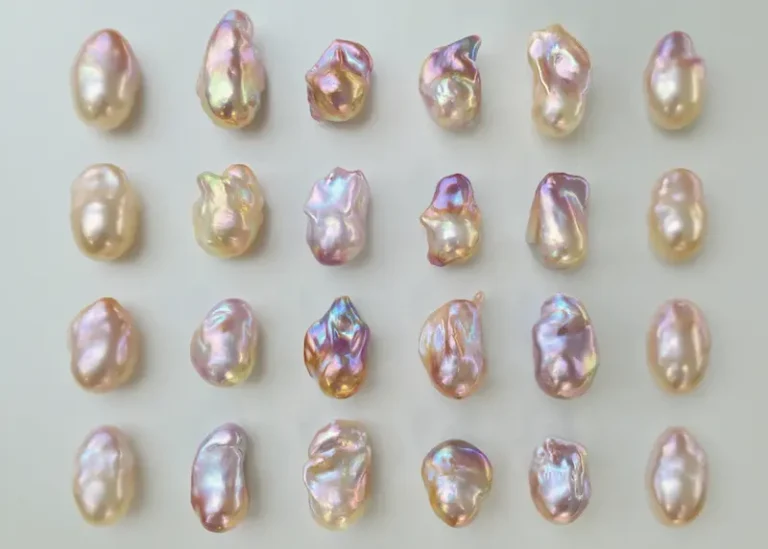
Picture this: you’re in a jewellery store and see a beautiful string of pearls whose pearl journey spans more than 5,000 years of freshwater history. They look like they are telling stories about old royalty in a modern way. Freshwater pearls have been winning people over for more than 5,000 years, and they’re really popular right now in fashion.
The history of freshwater pearls is seriously interesting. In ancient China, these things were so rare that only emperors could get their hands on them. Now, you can see them in everyday outfits! What’s even cooler is that modern fashion has come up with new and exciting ways to use these pearls while still keeping that classic, timeless look.
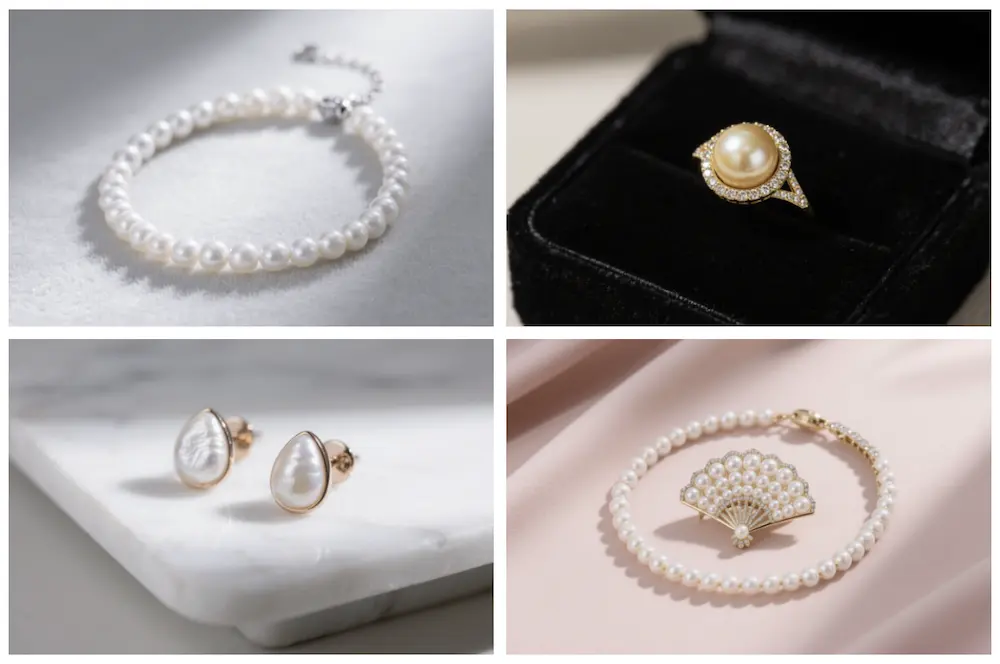
Let’s get into this amazing story that has been going on for thousands of years and is still changing in really interesting ways!
The Ancient Origins: Where Freshwater Pearls First Made Their Mark
The history of freshwater pearls starts in ancient China, around 2300 BC. We have proof that Chinese royalty were already completely crazy about pearls from the Huai River. And get this: these freshwater pearls were thought to be even more valuable than gold!
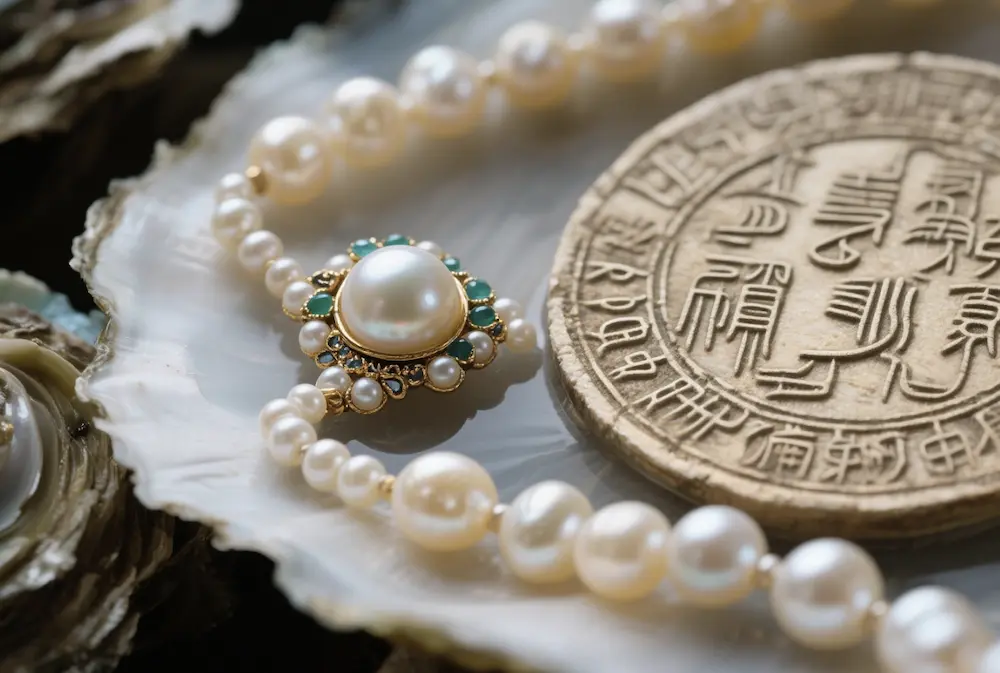
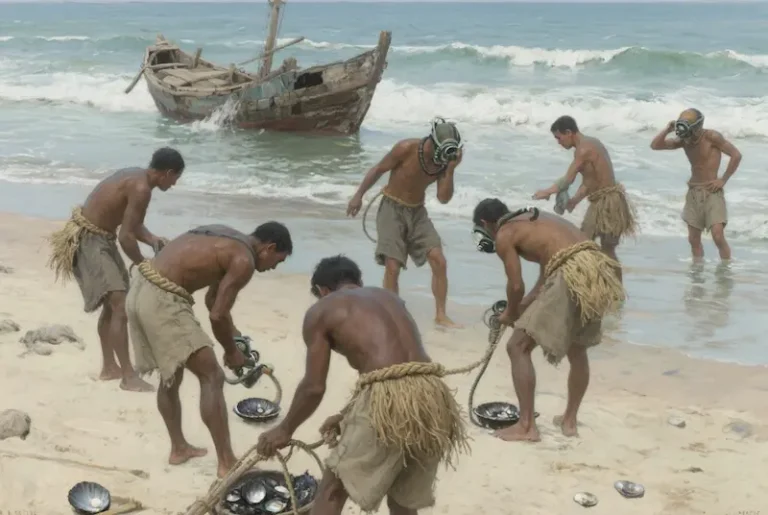
This is where the history of cultured pearls freshwater gets really interesting: freshwater pearls were easier to get to than saltwater pearls, which required dangerous deep-sea diving. Pearl divers in ancient China didn’t dive into the ocean. They didn’t go into the ocean; instead, they dove into lakes and rivers to look for freshwater shellfish that might have pearls in them. It was still dangerous and took a long time, but at least they weren’t fighting sharks and waves!
According to old texts, Chinese emperors would order fancy pearl necklaces for special occasions. These weren’t just pretty clothes; they were signs of God’s power and a link to nature. And here’s something interesting: people liked the slightly misshapen and shiny surfaces of those early freshwater pearls more than perfectly round ones! People thought they looked more “natural,” which made them seem stronger—a fascinating chapter in the history of freshwater pearls.
The Symbolism That Shaped Centuries
In ancient China, freshwater pearls were a sign of wisdom, honesty, and spiritual growth, and this reverence forms a key chapter in the history of freshwater pearls. In ancient China, pearls were seen as strong symbols that could be worn by both men and women. In later Western cultures, they were mostly associated with women. In the past, rulers were often buried with freshwater pearls to protect and guide them in the afterlife.
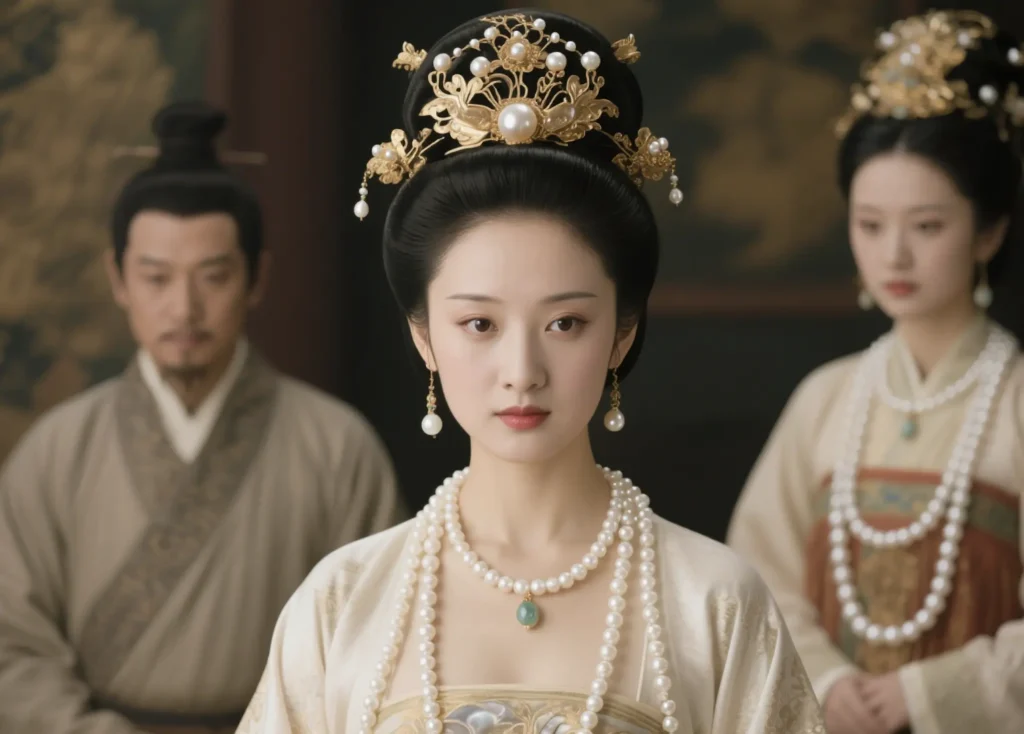
It’s amazing that this old respect for pearls led to everything that came after. Even though the methods used by early Chinese pearl farmers seem simple by today’s standards, they set standards that modern pearl manufacturer still follow.
Medieval Times to Renaissance: Freshwater Pearls Cross Cultures
As trade routes grew, the history of freshwater pearls expanded across the globe. European merchants started discovering these beautiful gems through trade along the Silk Road, and they quickly became highly desired items among the wealthy nobles of the Middle Ages.
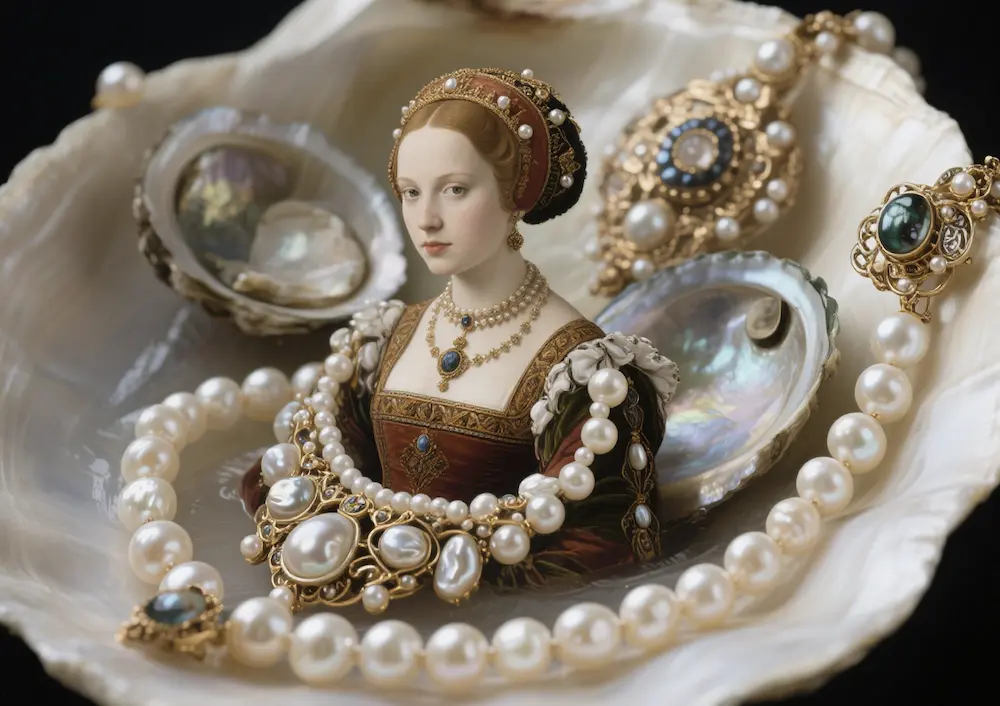
Freshwater pearls had their first big fashion moment during the Renaissance. European artists and jewelers saw that these pearls could be used in new and interesting ways. Their uneven, baroque shapes were perfect for the complicated jewelry designs that were in style at the time.
The Scottish Connection: A Lesser-Known Chapter
Here’s an interesting fact that not many people know about the history of freshwater pearls: In the Middle Ages, Scotland became a major source for them. Scottish rivers produced pearls that were highly valued by European royalty. Actually, many of the pearls decorating the British crown jewels came from Scottish freshwater sources.
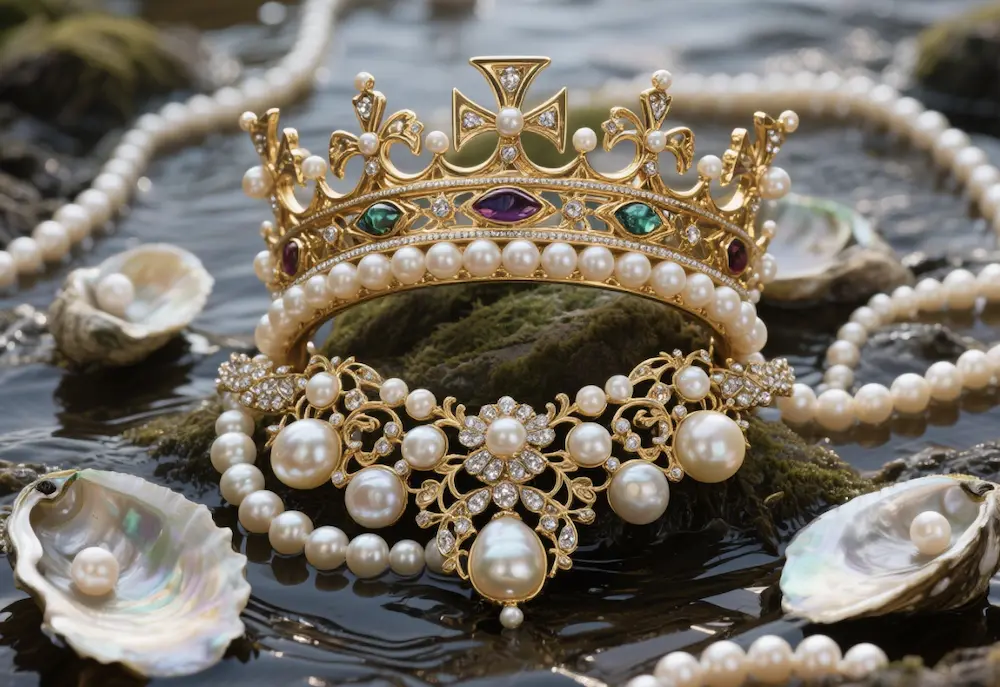
The irregular, natural shapes of these pearls were a great match for the fancy jewelry styles of the era. Instead of trying to make them all look the same, goldsmiths crafted intricate designs that showed off each pearl’s individual charm. This way of thinking has affected modern fashion designers, who appreciate how each freshwater pearl is different.
The Revolutionary 20th Century: Cultivation Changes Everything
The history of freshwater pearls gets really interesting in the early 1900s, when people learned how to farm them. Some smart people in China were quietly changing the whole game for freshwater pearl farming while Mikimoto was learning how to grow saltwater pearls in Japan.
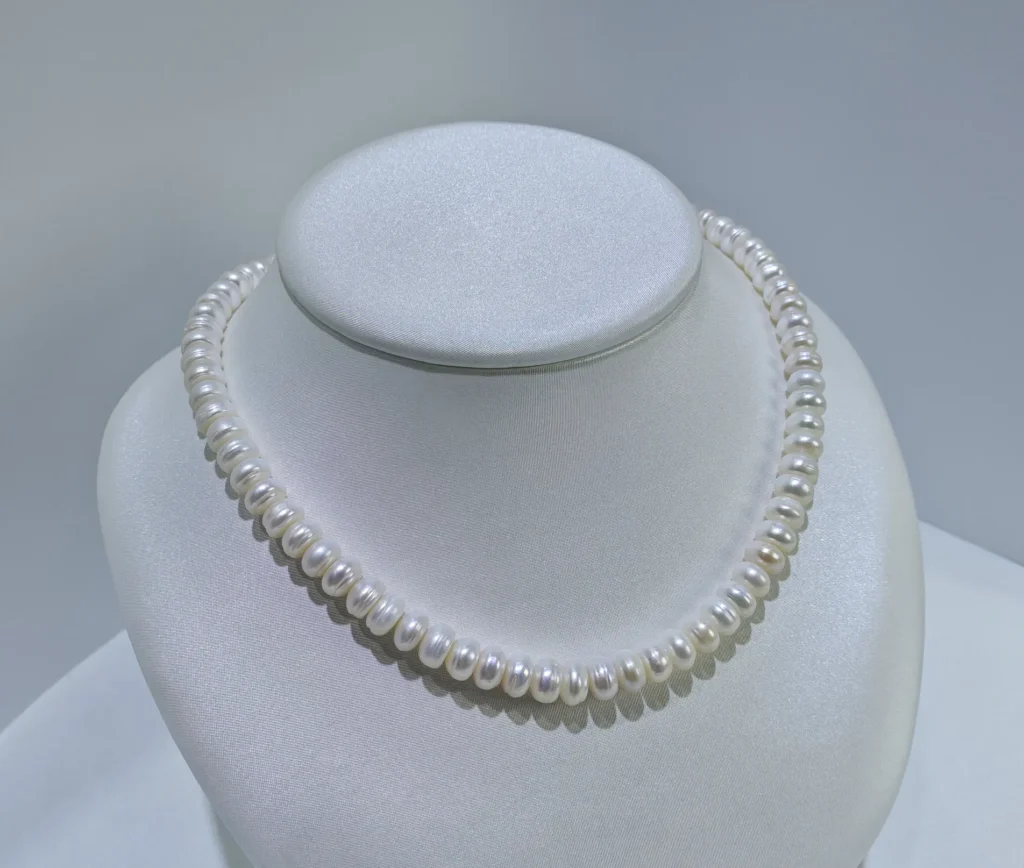
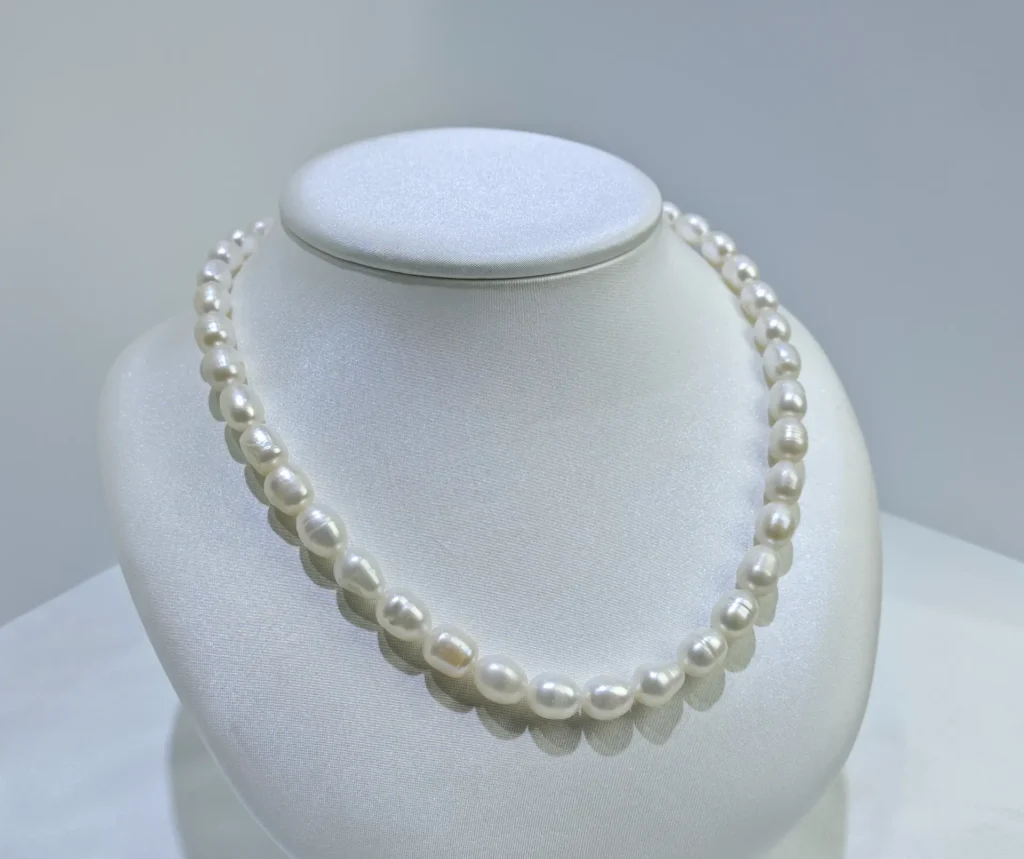
The big breakthrough in the history of cultured pearls freshwater came when farmers learned that they could put small pieces of tissue into freshwater shellfish to help the pearls grow more reliably. The first batches of these commercially-grown Chinese freshwater pearls showed up in stores in 1981. They looked a bit funny – people called them “rice crispie” pearls because they were all wrinkly – but they had an amazing shimmer that could be made even more vibrant with dyes.
The Chinese Innovation Boom
What happened next was pretty amazing and a key chapter in the history of freshwater pearls. Pearl farmers in Chinese provinces like Zhejiang and Jiangsu really honed their growing methods. Eventually, China became the major player in freshwater pearl production worldwide. Today, China is responsible for about 75% of the world’s freshwater pearls—which is a testament to both their long history of pearl knowledge and their modern farming advancements.
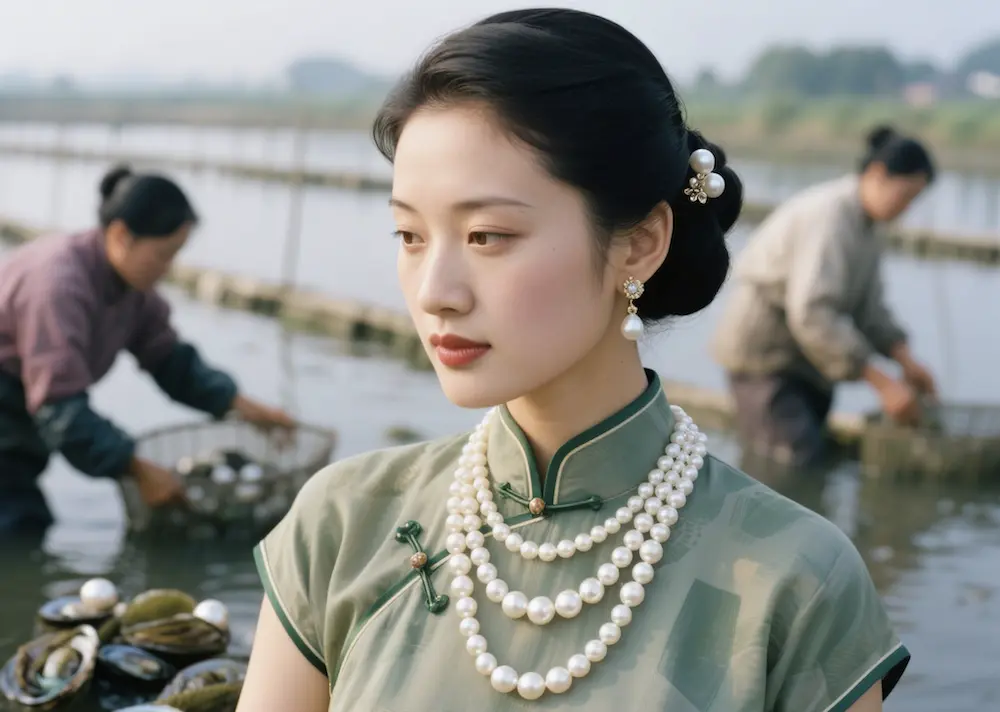
The really great thing about this was that it made pearls more accessible to everyone. The history of freshwater pearls went from being about expensive luxury items to affordable elegance. Women who worked could now afford pearl jewelry that only the wealthy could have dreamed of a few decades before. This affordability didn’t make pearls any less desirable. Instead, it created entirely new markets and fashion opportunities.
Modern Fashion Revolution: Freshwater Pearls Get a Contemporary Makeover
Now, flash forward to today, and the history of freshwater pearls has taken some seriously cool turns. The fashion world has totally transformed how we see and wear these gems. We’re no longer stuck in the old days when pearls were only for fancy events and traditional looks.
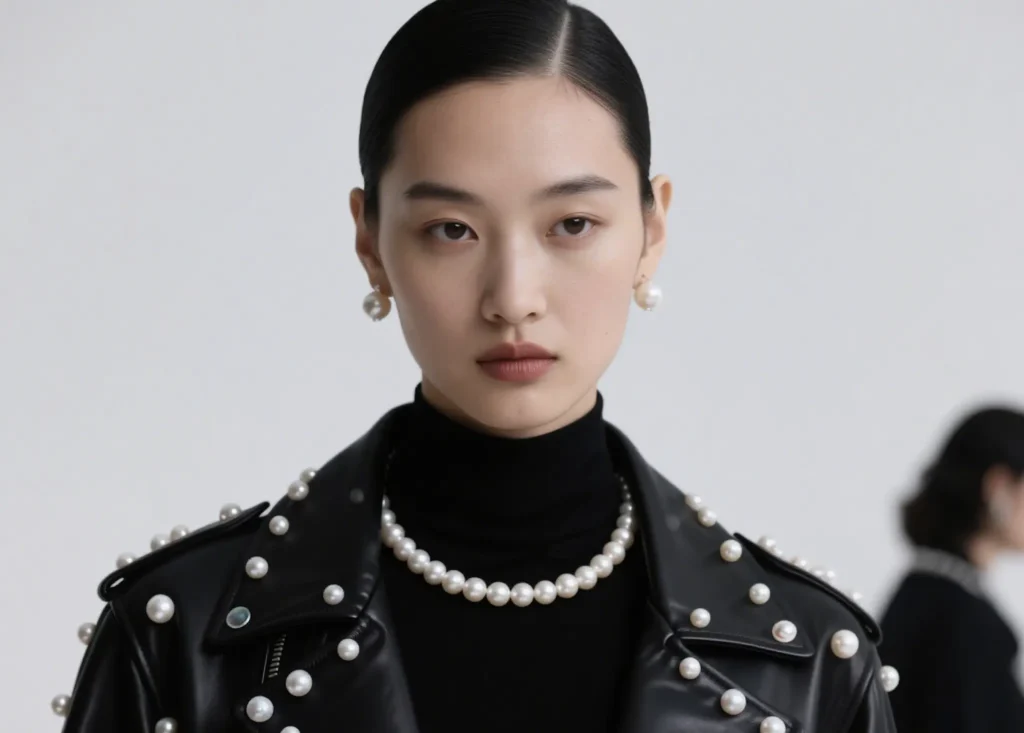
Designers today are really pushing the envelope in ways that would have shocked people in the past. We’re seeing freshwater pearls worn with leather jackets, worked into simple, modern tech-wear, and even used in crazy, cutting-edge fashion displays. That versatility that made these pearls so special throughout history is now being celebrated in really bold and exciting new ways.
The Social Media Effect
Instagram and TikTok have also surprisingly played a big part in the recent story of freshwater pearls. Young fashion influencers are showing off creative ways to wear pearl jewelry. They often mix and match cheap pearls from different places to make their own unique and personal looks.
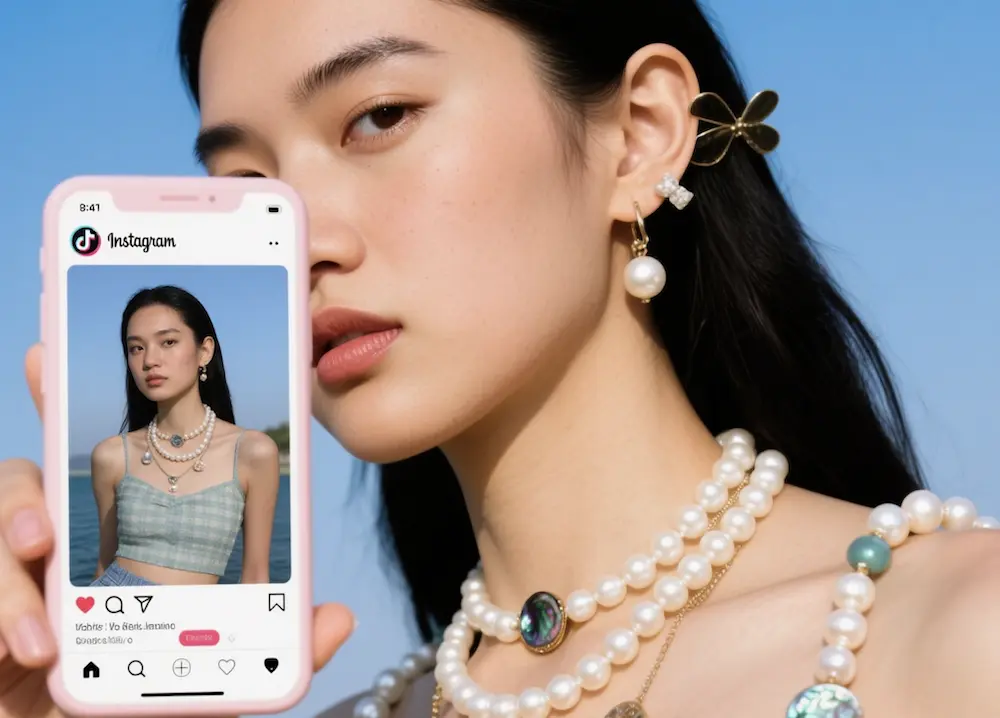
Because of all this attention on social media, freshwater pearls are being introduced to groups of people who might never have given them a second thought before. And what’s the result? A huge increase in demand, which is actually pushing prices up and making it harder to get them – a really interesting twist from when they were super affordable back in the late 1900s, and yet another chapter in the ever-evolving history of freshwater pearls.
Sustainable Fashion Meets Ancient Beauty
One of the most important things that has happened with freshwater pearls in the last few years—and a new milestone in the history of freshwater pearls—is that they have become linked to the sustainable fashion movement. If done right, growing cultured freshwater pearls can actually help the local environment, unlike mined gemstones. It’s like a win-win situation.

People who care about the environment and want beautiful jewelry without feeling bad about it have been drawn to this eco-friendly aspect. Modern Pearl Manufacturers are choosing greener ways. A new time begins. People protect the planet and still keep pearls beautiful forever.
The Science Behind Modern Freshwater Pearl Cultivation
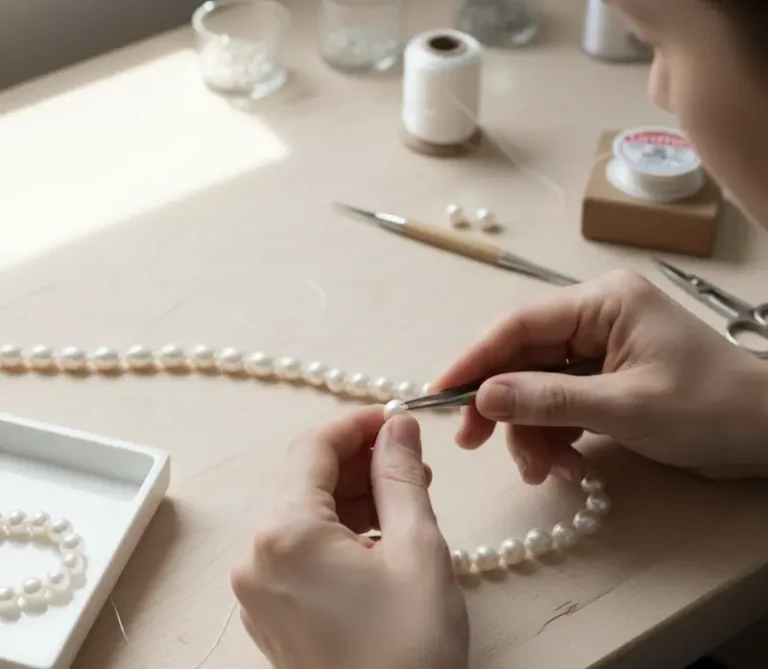
Looking at how the technology has evolved helps us really appreciate the journey of freshwater pearls. Today, growing them requires some advanced methods that carefully combine natural processes with controlled environments.
Modern freshwater pearl farms—representing the latest chapter in the history of freshwater pearls—use some impressive systems: they carefully manage the water, keep a close eye on what the mollusks are eating, and time the nucleation process just right. This results in pearls with a better shine, more consistent quality, and rounder shapes that can rival saltwater pearls.
Quality Improvements That Changed the Market
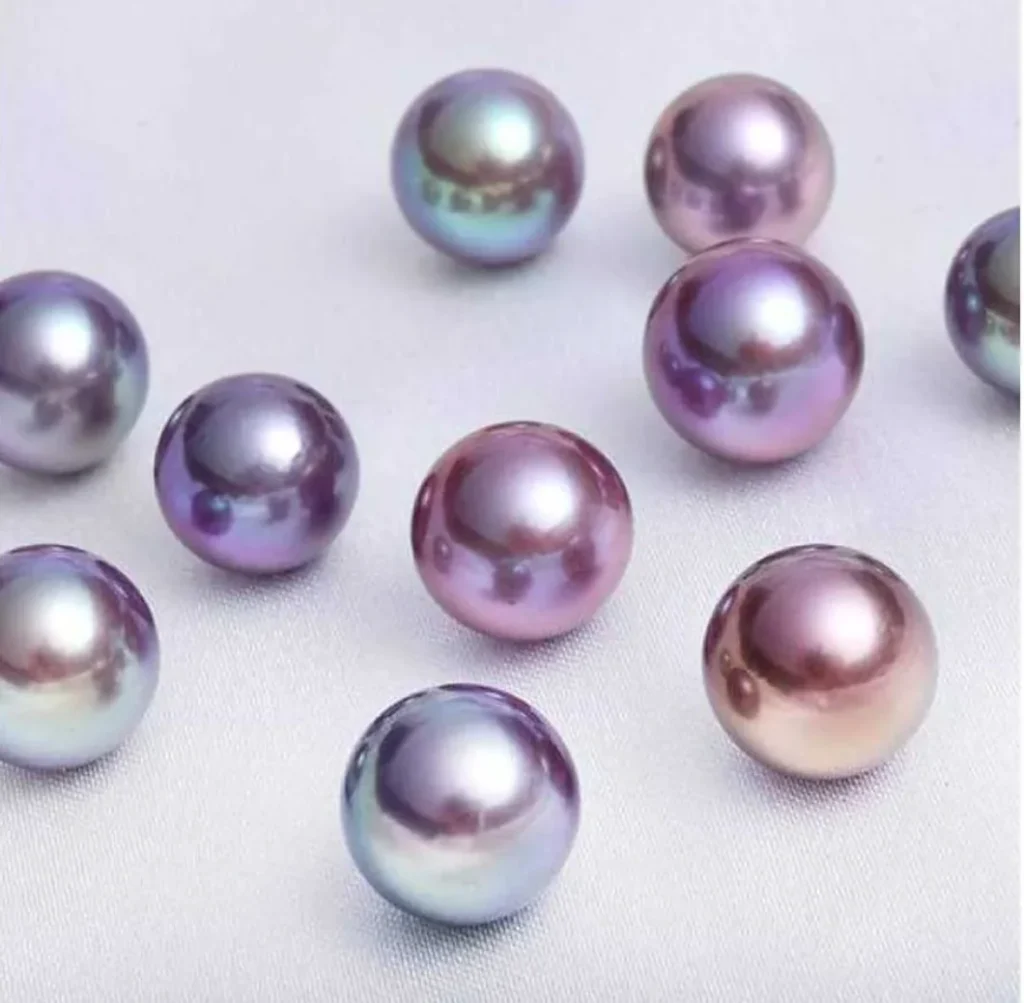
The changes in how freshwater pearls are grown have been really amazing. Chinese pearl farmers today have come up with ways to make pearls that have:
- A better shine because nacre grows better.
- More consistent shapes because nucleation methods are better.
- A wider range of colors, both naturally and through treatments.
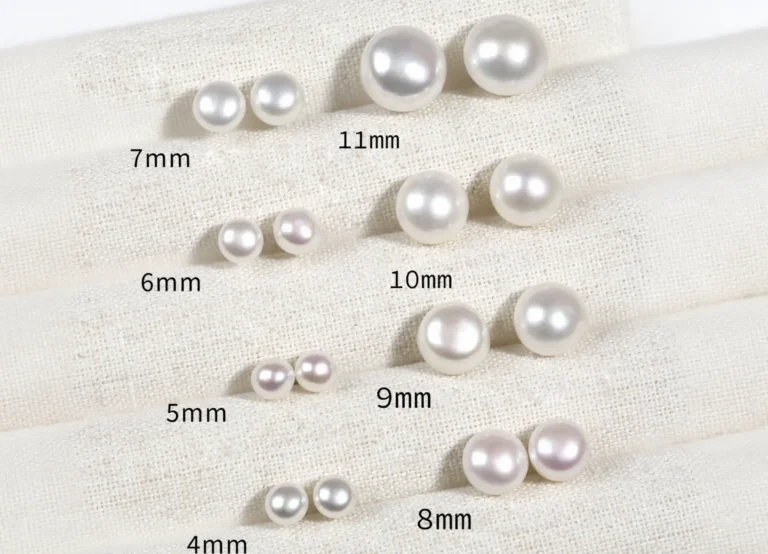
- Bigger sizes that weren’t possible before.
These advancements have really put freshwater pearls in the running against the more traditional saltwater pearls, which has totally changed the pearl market and how people see them.
Current Market Trends and Fashion Integration
The history of freshwater pearls is still being written, right now, and it’s pretty amazing to see it happen. Market data from 2024 shows that China’s pearl market alone was valued at over RMB 31 billion in the first half of 2023, with younger consumers driving significant growth.
What’s particularly interesting is how different age demographics are approaching freshwater pearls. While the traditional pearl buyers, say those in their late 30s and early 40s, still care a lot about quality and timeless designs, younger folks are more into creative styles and affordable, trendy pieces.
The Influence of High Fashion
High-end fashion brands are using freshwater pearls in really interesting new ways. Chanel and Dior, for example, are featuring pearls in designs that mix classic elegance with a modern twist. The Gemological Institute of America says this endorsement from the world of high fashion has had a big impact on general jewelry trends.
The impact has been huge. When famous designers show off creative ways to use freshwater pearls, it makes experimenting with them okay at every price point. Now you’re seeing everything from sneakers decorated with pearls to pearl necklaces that you can take apart and wear in a bunch of different ways.
Cultural Significance in Different Regions
People in different parts of the world have different ideas about and uses for freshwater pearls. The history of freshwater pearls started in China, but each culture has added its own meanings and customs.
In Japan, mixing freshwater pearls with their classic saltwater pearls is creating cool, unique looks. European fashion seems to highlight the natural, imperfect qualities of freshwater pearls, connecting them to historical baroque styles. American fashion is all about being versatile, mixing different kinds of pearls to create personalized styles.
The Gen Z Pearl Renaissance
Gen Z has started wearing freshwater pearls, which is one of the most surprising things that has happened with them lately. This generation, which is known for being into technology and caring about the environment, has embraced pearls as a way to look good and be more eco-friendly at the same time.
On social media, there are a lot of cool ways to wear pearls. People are making different kinds of pearl necklaces and wearing them with everyday clothes and streetwear in ways that are surprising. In pearl culture, this change in who wears pearls is a big deal that is still going on.
Economic Impact and Industry Evolution
The way the freshwater pearl business works today is a fascinating story about how an industry can change. It started out as a small-scale thing. Families make pearls in Chinese villages. Now, it’s a huge global market with complicated ways of getting pearls from producers to buyers, and everyone has to meet high quality standards.
Right now, the freshwater pearl market is facing some challenges, like it costing more to make them, rules to protect the environment, and customers wanting higher quality. That’s why the pearl industry is constantly being pushed to find better and more creative ways of doing things, which keeps the story of freshwater pearls moving forward.
Supply Chain Challenges and Opportunities
The last few years have been a bit of a rollercoaster for the freshwater pearl business. The pandemic messed with how pearls were processed and shipped, leading to shortages and higher prices. But those problems also made people think outside the box, like selling pearls directly to customers online and coming up with new ways to market their products.
The growth of online shopping has been really good for companies who wholesale pearls. Now they can easily reach customers all over the world. This easier access is part of the trend of making freshwater pearls available to more people, which has been a big part of the story of freshwater pearls lately.
Looking Forward: The Future of Freshwater Pearls in Fashion
There are a few things that stand out when I think about what’s next for freshwater pearls, and how they might build on the history of freshwater pearls. New technologies are making it possible to grow pearls in new ways, which could lead to pearls with completely new properties. Also, looking into the genetics of shellfish that make pearls could help us find ways to make pearls bigger, brighter, and more colorful.
Freshwater pearls are likely to keep doing well in the fashion world because people want unique, personalized items and luxury goods that are good for the environment. Their natural differences and the fact that they’re produced in an environmentally friendly way really fit with what people are looking for these days.
Innovation on the Horizon
New technologies in fish farming suggest we could see some major changes in how freshwater pearls are made. Things like better monitoring systems, improved ways of feeding the shellfish, and even the use of biotechnology could hugely expand what’s possible in terms of pearl qualities and how efficiently they’re produced.
Combining traditional knowledge with the latest science promises some exciting new developments for freshwater pearls. As experts at National Geographic have pointed out, these innovations could make high-quality freshwater pearls even more affordable while keeping their natural beauty and appeal.
Conclusion: A Timeless Journey Continues
The history of freshwater pearls, from ancient China to today’s fashion shows, these gems have always changed to fit what people like. People still like freshwater pearls for the same reasons that emperors did in the past: they are naturally beautiful, shiny, and connected to nature. But every generation has found new ways to enjoy and use them.
Today’s part of the freshwater pearl story is especially exciting because they’re more accessible and innovative. Modern farming methods mean that good quality pearls are available to more people than ever, and modern fashion celebrates their flexibility in ways that people in the past couldn’t have imagined.
Looking ahead, the history of freshwater pearls suggests they’ll keep evolving while staying true to what they are. Whether they’re worn as classic pearl necklaces that remind us of centuries of tradition or used in cutting-edge fashion designs that push creative limits, these amazing gems will definitely keep writing their story for years to come.
The journey from ancient Chinese rivers to a global fashion trend shows how natural beauty, human creativity, and cultural appreciation can all work together to make something that lasts forever. Freshwater pearls are a beautiful reminder that some things go beyond trends and become part of who we are in the ever-changing world of fashion and luxury.