
Seed pearls are making a major comeback in the jewelry world. These tiny treasures—measuring just 2mm-4mm—are showing up everywhere from bridal collections to high-end boutiques. If you’re a jeweler, designer, or vintage restoration specialist, you’ve probably noticed: finding quality seed pearls that actually work for period-accurate pieces is harder than it should be.
Here’s the thing. Victorian and Edwardian jewelry didn’t use just any tiny pearl. They used specific sizes with exceptional luster, near-perfect roundness, and that creamy glow that makes antique pieces sing. Modern replicas? They often miss the mark.
At Xinye Pearl, we’ve spent years perfecting the art of sourcing freshwater pearls that meet these exacting standards. As a pearl supplier own cultivation farms in China, We know what makes the best seed pearls stand out from the others, the ones that bring old designs back to life.
Why Seed Pearls Are Different (And Why That Matters)
The Technical Side
Seed pearls aren’t just “small pearls.” Historically, they were defined as natural pearls under 2mm in diameter. Today’s market has expanded that definition to include 2mm-4mm freshwater cultured pearls—but size alone doesn’t make a seed pearl worth using.
What makes a quality seed pearl:
- Exceptional luster – The surface should reflect light sharply, not diffusely
- Consistent shape – Near-round to round, with minimal potato-like deformities
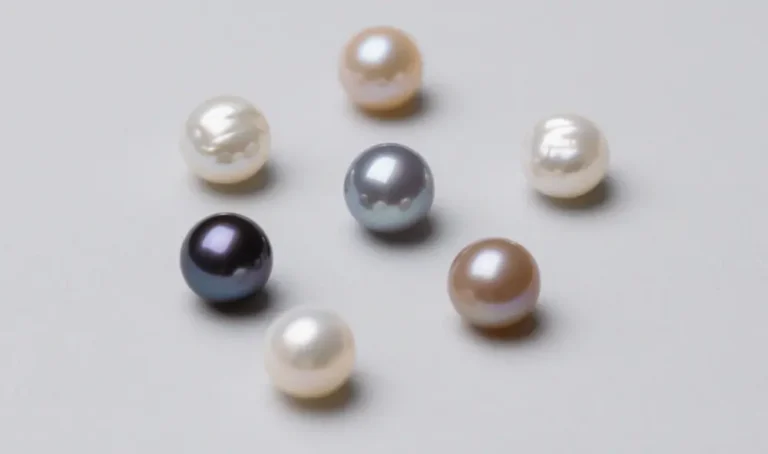
- Natural color – Creamy white to soft pink, with no chemical treatments
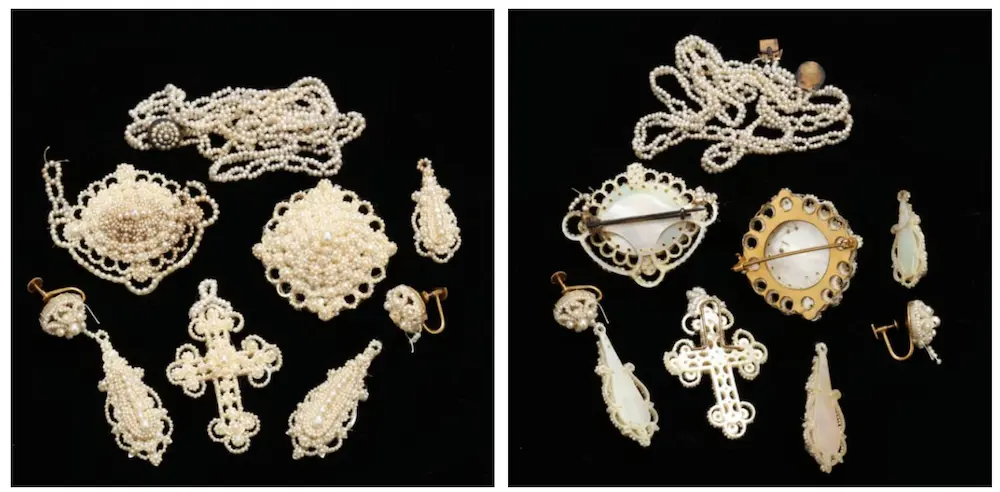
(Via lelandlittle.com)
The Victorian artisans who worked with seed pearls weren’t choosing randomly. They needed pearls that could be drilled without shattering, strung on horsehair or silk, and sewn into intricate patterns that would last generations. Modern wholesale pearls need to meet the same demanding criteria.
The Historical Context
Victorian jewelry makers imported seed pearls from India and China, painstakingly sorting them by size and quality. Each pearl was individually drilled—by hand, without electric tools—and woven into designs ranging from delicate floral borders to entire parures (matching jewelry sets).
Queen Victoria’s influence cannot be overstated. After Prince Albert’s death in 1861, her mourning jewelry featuring seed pearls and onyx set the tone for an entire generation. Seed pearls became synonymous with elegance, purity, and restrained luxury.
Sourcing High-Quality 2mm-4mm Freshwater Pearls: The B2B Reality
What to Look For (Beyond the Spec Sheet)
Most suppliers will give you measurements and maybe a grade (AA, AAA, AAAA). But here’s what they won’t always tell you:
- Luster quality varies wildly within grade categories. Two strands both marked “AAA” can look completely different under natural light. At Xinye Pearl, we hand-select every strand specifically for luster—the single most important factor for seed pearls that will be used in vintage-style designs.
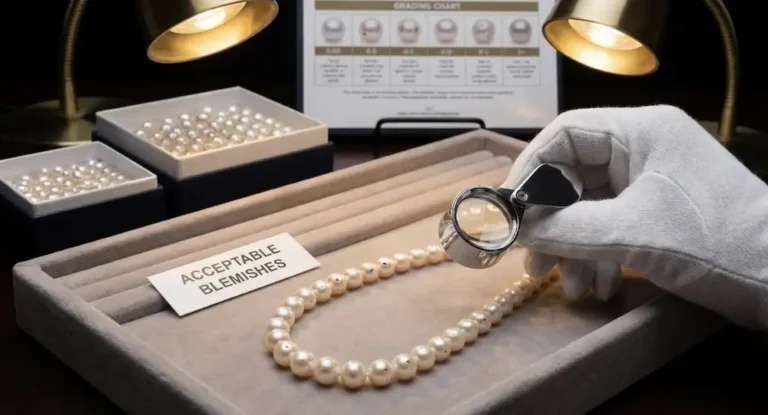
- Surface blemishes matter more on small pearls. A tiny chalky spot that’s barely visible on an 8mm pearl becomes a glaring flaw on a 2mm-4mm seed pearl. For restoration work, you need 95%+ clean surfaces.
- Shape consistency affects the final piece. If you’re replacing 50 seed pearls in a Victorian brooch, even slight variations in roundness will be visible. We sort by shape variance under 5% for our premium offerings.
The China Freshwater Pearl Market
Let’s be real: China produces the vast majority of freshwater pearls globally. The quality range is enormous—from commercial-grade baroque shapes to near-perfect rounds that rival Japanese Akoya pearls in luster.
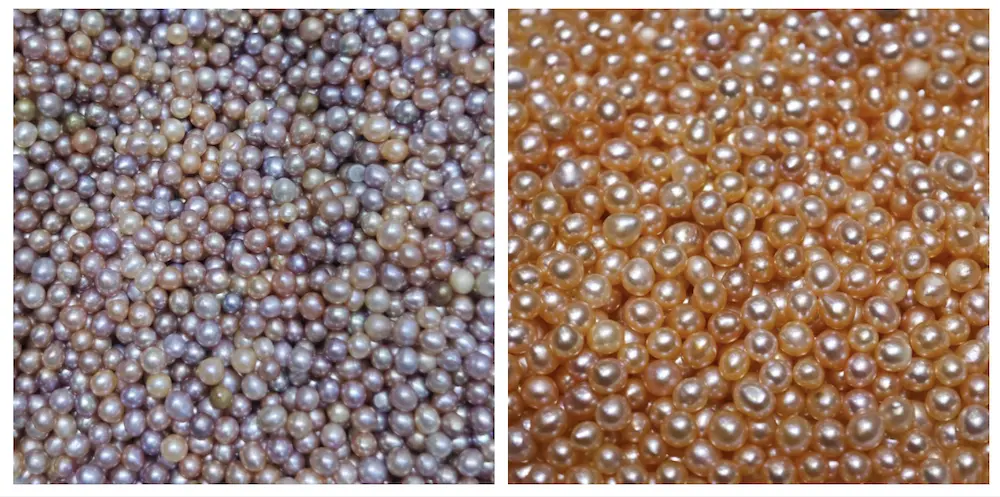
Understanding the Chinese pearl grading system (Class I-IV, often converted to A-AAAA scales) is essential. But more importantly, you need relationships with farms and processors who understand what “restoration-grade” means.
Key sourcing considerations:
- Farm location matters – Different regions produce different pearl characteristics
- Harvest timing – Pearls harvested after 3-4 years have thicker nacre
- Drilling consistency – Factory-drilled holes should be centered and consistent
- Matching services – Premium suppliers offer pre-matched strands by size and luster
Grading Seed Pearls
Understanding the A-AAAAA Scale for Freshwater Pearls
The pearl industry uses several grading systems, which creates confusion. For freshwater pearls (including seed pearls), most suppliers use an A-AAAAA scale. Here’s what it actually means:
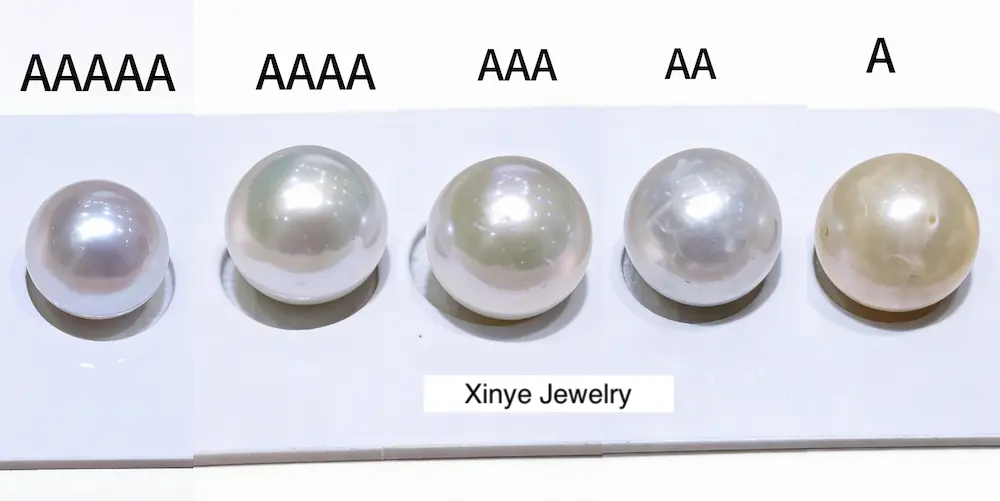
| Grade | Luster | Surface Quality | Shape | Usage |
|---|---|---|---|---|
| AAAAA | Mirror-like, exceptional reflections | 98-100% clean | Perfect round (<2% variance) | Museum-quality, ultra-premium jewelry |
| AAAA | Excellent, sharp reflections | 95-97% clean | Near-round (<5% variance) | Restoration, high-end jewelry |
| AAA | High luster | 85-90% clean | Round to near-round | Quality jewelry |
| AA | Good luster | 75-80% clean | Semi-round | Commercial jewelry |
| A or lower | Fair to poor | 60-70% clean | Off-round | Craft/fashion jewelry |
For vintage restoration and high-end design work, you want AAAAA or AAAA grade seed pearls. Period. Anything less will be visible in the finished piece.
The Luster Question
According to pearl grading standards from the Gemological Institute of America (GIA), luster is evaluated by three factors: sharpness of reflection, brightness, and depth. High-quality seed pearls should show crisp, distinct reflections of light sources—not diffused glows.
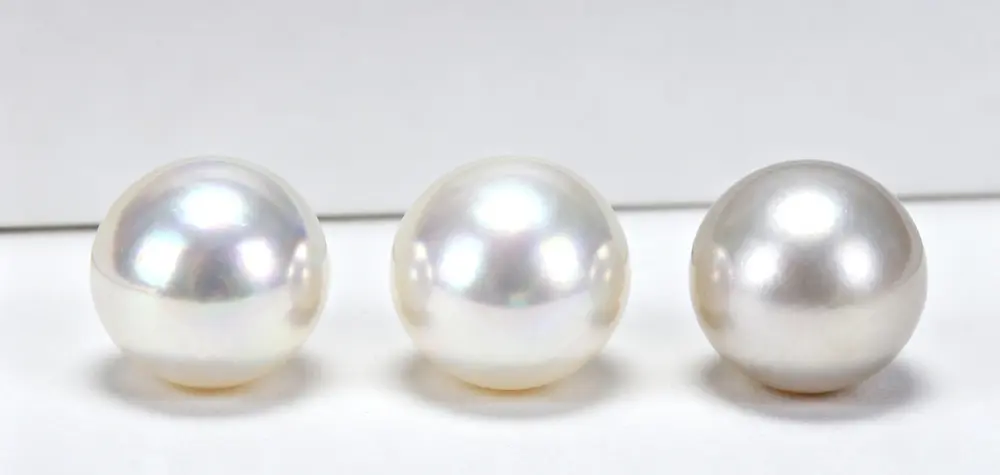
When evaluating seed pearls, hold them under natural light and look for:
- Your reflection should be recognizable
- Light sources should have defined edges
- The pearl surface should appear to glow from within
Vintage Design Applications: Where Seed Pearls Shine
Restoration Projects
This is where quality really counts. When you fix up a piece of Victorian jewelry, you’re not just replacing the pearls; you’re keeping history alive.
Common restoration scenarios:
- Mourning brooches – Black onyx with seed pearl accents
- Lace-effect necklaces – Thousands of seed pearls woven on silk
- Crescent moon brooches – Seed pearls creating delicate borders
- Watch fobs – Enamel pieces with intricate seed pearl work
What’s the challenge? Finding current seed pearls that are the same size, color, and shine as pearls that are more than 100 years old. You need both technical know-how and a large stock to choose from.
Contemporary Vintage-Inspired Designs
Seed pearls aren’t just for restoration. Modern designers are finding out how flexible they are again:

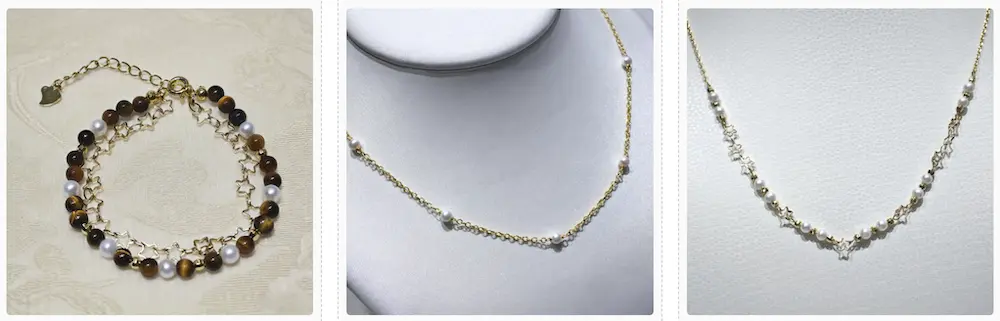
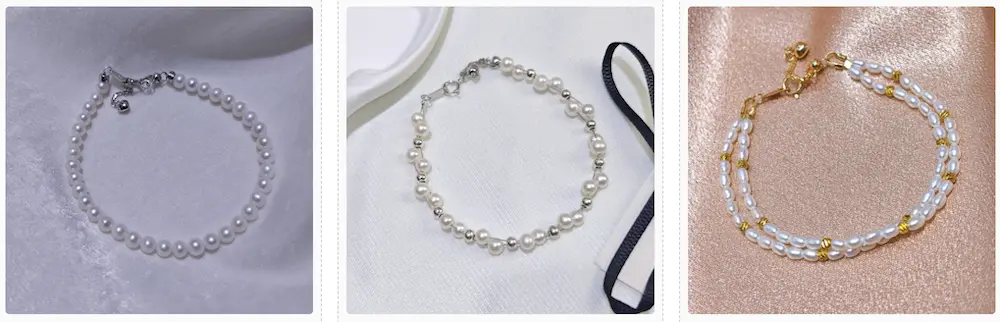

Trending applications:
- Minimal chokers with a single strand of 2mm – 4mm pearls
- Wedding tiaras featuring seed pearl clusters
- Embroidered bridal veils with sewn seed pearls
- Vintage-inspired engagement ring halos
- Delicate chain necklaces with seed pearl accents
The Bridal Market Opportunity
Seed pearls represent a massive opportunity in the bridal jewelry segment. They symbolize purity and tradition while offering a more affordable alternative to diamond accent stones.
Bridal designers working with seed pearls need reliable suppliers who can provide:
- Consistent quality across multiple orders
- Fast turnaround for custom matching
- Flexible minimum order quantities
- Quality guarantees for wearable pieces
Working with Seed Pearls: Technical Considerations
Drilling and Stringing
Seed pearls are delicate. Here’s what you need to know:
For restoration work:
- Half-drilled seed pearls are often better for glued applications
- Full-drilled pearls need 0.3-0.6mm holes (any larger and the pearl weakens)
- Silk thread is traditional but modern synthetic alternatives last longer
- Knotting between pearls isn’t practical at this size—use continuous stringing
Pro tip: When replacing seed pearls in antique pieces, save at least one original pearl for color and size matching.
Care and Durability
Despite their small size, quality seed pearls are surprisingly durable. Their solid nacre composition (unlike nucleated saltwater pearls) makes them resistant to wear.
Customer care instructions:
- Apply perfume and cosmetics before putting on seed pearl jewelry
- Wipe with a soft cloth after wearing
- Store separately to prevent scratching
- Restring every 2-3 years for frequently worn pieces
The B2B Purchasing Process: What to Expect
Minimum Order Quantities and Pricing
Let’s talk numbers. Most professional pearl manufacturers have MOQs, but they vary significantly:
- Standard wholesale: 5-10 strands minimum
- Custom matching: 20+ strands for consistent inventory
- Restoration quantities: Some suppliers offer smaller lots for repair work
Pricing for 2mm-4mm AAAAA to AAAA grade freshwater seed pearls typically ranges from $15-50 per 16-inch strand, depending on:
- Exact size and roundness
- Luster quality
- Color (natural white commands premium prices)
- Drilling specifications
Quality Assurance and Returns
Working with a reputable supplier means clear quality guarantees. Look for:
- Pre-shipping photos of your specific order
- Grade verification with clear standards
- Return policies for misgraded pearls
- Replacement guarantees for drilling defects
At Xinye Pearl, we photograph every wholesale order before shipping. Our clients receive exactly what they expect—no surprises when the package arrives.
Building Supplier Relationships
The best seed pearl sources aren’t found through generic searches. They come from:
- Direct relationships with Chinese pearl farms
- Participation in gem and jewelry trade shows
- Referrals from other jewelers and designers
- Long-term partnerships with transparent suppliers
A good supplier becomes a partner in your creative process, understanding your specific needs and proactively suggesting solutions.
Common Quality Issues and How to Avoid Them
The “Potato Pearl” Problem
Not all small freshwater pearls are seed pearls. Many are simply undersized baroque shapes with poor luster. These “potato pearls” look nothing like the seed pearls used in vintage jewelry.
Red flags:
- Highly irregular shapes
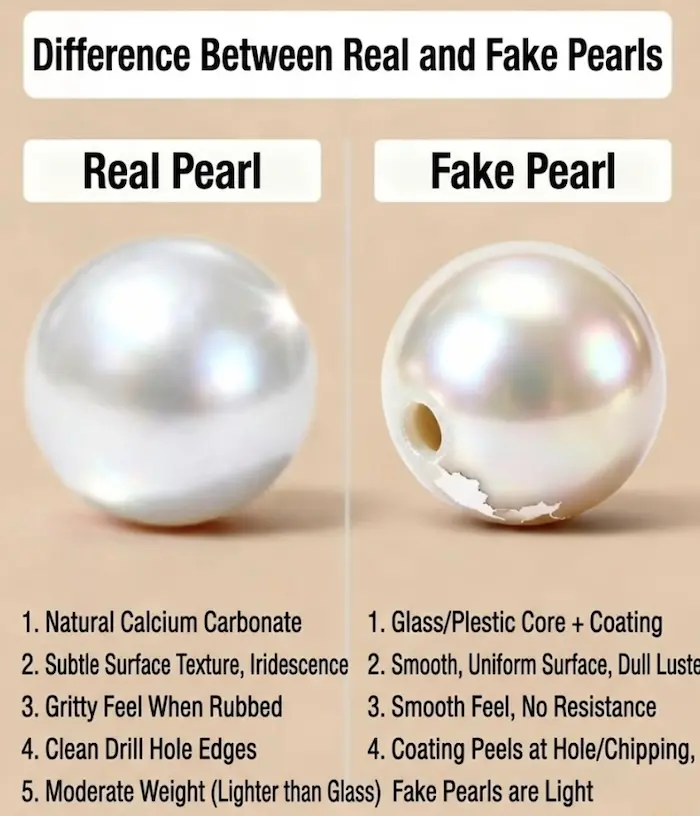
- Dull, chalky surfaces
- Visible ridges or bumps
- Color inconsistency within a strand
Drilling Issues
Poor drilling ruins otherwise good seed pearls. Watch for:
- Off-center holes that prevent proper hanging
- Rough drill hole edges that fray thread
- Inconsistent hole sizes within a strand
- Chipped areas around drill holes
Color Treatments
Some suppliers dye or bleach seed pearls to achieve uniform color. This might look good initially, but:
- Treatments fade over time
- Dyed pearls have an artificial appearance
- Chemical treatments can weaken nacre
- Natural color variations are actually desirable for vintage work
Always ask about treatments. <a href=”https://www.ftc.gov/business-guidance/resources/jewelry-guides” target=”_blank”>FTC guidelines</a> require disclosure, but enforcement varies in international markets.
The Future of Seed Pearls in Jewelry Design
Seed pearls aren’t just a nostalgic callback to Victorian romance. They’re experiencing a genuine renaissance driven by several factors:
Market trends:
- Sustainability-conscious consumers prefer cultured pearls over mined gemstones
- Vintage and vintage-inspired jewelry continues to grow in popularity
- Bridal designers seek unique alternatives to traditional diamond accents
- Social media has amplified interest in historically-inspired designs
The challenge—and opportunity—is meeting this demand with consistently high-quality product. The market doesn’t need more low-grade baroque “seed pearls.” It needs AAAA quality 2mm-3mm rounds with the luster and consistency that vintage designs demand.
Frequently Asked Questions
What’s the difference between natural and cultured seed pearls?
Natural seed pearls (formed without human intervention) are virtually nonexistent in today’s market. When we talk about seed pearls for jewelry, we mean cultured freshwater pearls in the 2mm-4mm size range. Quality cultured seed pearls are indistinguishable from historical natural ones in appearance and durability.
Can seed pearls be used in everyday jewelry?
Absolutely. Their solid nacre composition makes them surprisingly durable. However, treat them like any pearl: avoid harsh chemicals, perfumes applied directly on the jewelry, and rough handling. With proper care, seed pearl jewelry lasts for generations.
How do I match replacement seed pearls to an antique piece?
Save at least one original pearl for matching. Photograph it next to white paper under natural light. Note the exact size (use a digital caliper), the color tone (warm cream vs. cool white), and the luster intensity. Share these details with your supplier—quality manufacturers can match historical pearls with remarkable accuracy.
What’s the best way to clean seed pearl jewelry?
Use only warm water and mild soap (no detergents or jewelry cleaners). Gently wipe with a soft cloth. Never use ultrasonic cleaners or steamers on seed pearls, especially in antique settings where the original glue may have weakened over time.
Are 2mm pearls too small for necklaces?
Not at all. Single-strand 2mm pearl necklaces create an elegant, delicate look that’s perfect for layering or wearing alone. Multiple strands create the lush, textured appearance characteristic of Victorian and Edwardian jewelry.
How do I know if I’m getting AAAA grade pearls?
https://quillbot.Trust, but verify. Choose providers who send you pictures of your order before it ships. You should see your reflection in the sharp luster, the surfaces should be 95% or more clean, and the forms should be almost circular. There is a big difference between AAAAA and AAA ratings: AAAAA grades have mirror-like reflections, whereas AAA grades only have good luster. Reputable vendors back up their grades with explicit return procedures.com/ai-content-detector
The return of seed pearls is more than just a fashion trend. It’s a return to the craftsmanship, attention to detail, and timeless beauty that made Victorian jewelry so valuable for so many years.
Whether you’re restoring a family heirloom, creating contemporary pieces inspired by historical designs, or building a bridal collection, quality matters. The difference between mediocre seed pearls and exceptional ones isn’t just visible—it’s the difference between jewelry that disappoints and pieces that become tomorrow’s heirlooms.
We have created our reputation at Xinye Pearl by knowing the differences between these things. We get the 2mm-4mm freshwater seed pearls that fulfill the high criteria of experienced jewelers, designers, and restoration experts straight from cultivation farms as a wholesale pearl supplier.
The seed pearl renaissance is here. Make sure you’re working with quality that lives up to the legacy.

 EN
EN  JA
JA  AR
AR  IT
IT  ES
ES  DE
DE  KO
KO