
Your customers aren’t just buying jewelry anymore—they’re buying stories. And if your story doesn’t include sustainability, you’re leaving money on the table. Sustainable pearl farming isn’t some trendy buzzword. It’s the competitive edge that separates thriving pearl manufacturer businesses from those struggling to connect with today’s conscious consumer.
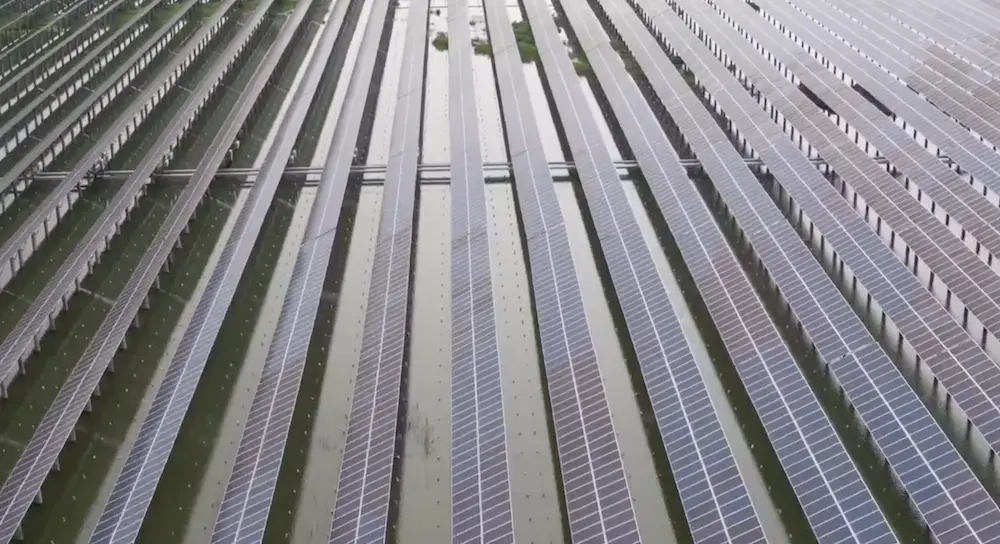
Xinye Pearl’s fishery-solar hybrid pearl farm serves as a proven and reliable practice of sustainable pearl farming
Here’s the thing: 73% of luxury consumers will pay 30% more for sustainably sourced products. That’s not opinion—that’s market data telling you exactly where your buyers are headed.
What Makes Pearl Farming Actually Sustainable
Unlike diamond mining that tears through earth with heavy machinery, sustainable pearl farming works with nature. The oysters and mussels that create pearls are natural water filters—they’re basically nature’s cleanup crew. One large oyster can filter up to 47 liters of water per hour, pulling out pollutants and excess nutrients while they grow your product.
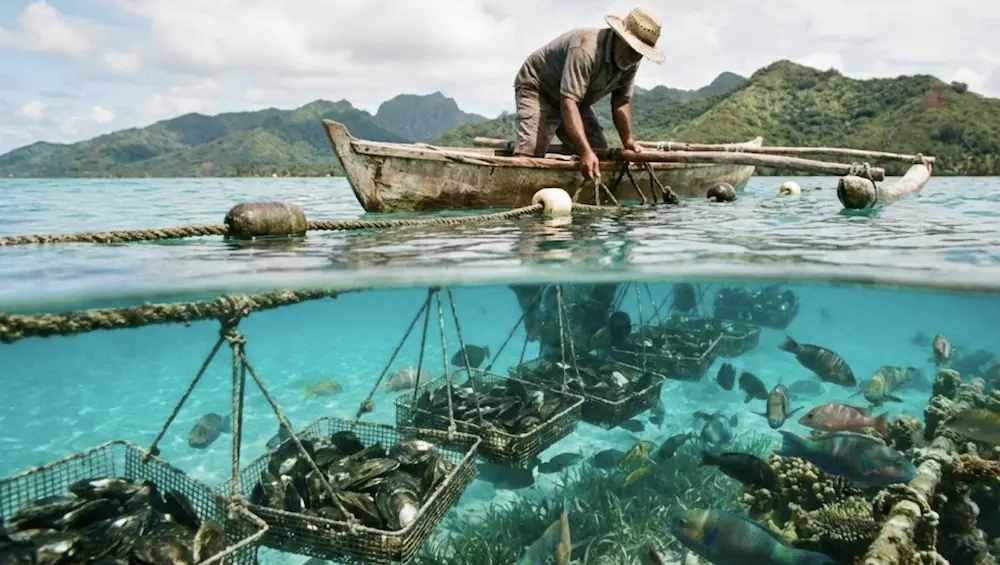
Think about that for a second. Your wholesale pearls are literally improving the environment while they’re being created. Show me another gemstone that can claim that.
The Real Environmental Impact of Freshwater Pearls
When your retail customers ask about the environmental impact of sustainable pearl farming, you need facts ready. Freshwater pearl cultivation creates artificial reef systems that become thriving habitats for fish and freshwater species. These aren’t just farms—they’re biodiversity hotspots. Pearl farms in places like China, Japan, and the United States actively contribute to ecosystem restoration while producing commercial products.
The environmental impact of freshwater pearls stands in stark contrast to mined gemstones. No explosives. No toxic runoff. No massive carbon footprint from industrial extraction. Freshwater pearls grow in controlled environments where farmers have direct incentive to keep water clean and ecosystems healthy—because polluted water kills their inventory.
According to research from the Gemological Institute of America (GIA), pearls are “the only renewable gemstone in the human timescale.” They mature in 2-7 years, not millions of years like traditional gems. That’s a supply chain timeline that actually makes sense in modern business.
The Business Case for Marketing Sustainable Jewelry
Let’s talk about marketing sustainable jewelry to your retail partners. Your buyers need compelling stories to sell to their customers—stories that justify premium pricing and build brand loyalty.
People who care about what they buy want to know what’s going on. They want to know that what they buy doesn’t encourage unethical behavior or exploitation. You’re not just selling jewelry when you can track your pearls back to individual farms with established sustainable practices. You’re also selling peace of mind.
Key selling points for retailers:
- Benefits for cleaning water: Each pearl oyster filters water all the time, which is good for marine ecosystems.
- Zero damage to habitat—unlike mining, which leaves lasting scars on the landscape
- Support for the community: Pearl farms give coastal towns a steady source of income without reducing the number of wild animals.
- Compared to gemstone mining activities, this has a much smaller carbon footprint.
- Biodiversity enhancement: Farms make safe areas for a variety of sea life.
This is supported by the facts. Studies have shown that sustainable pearl farming makes people less reliant on overfishing and gives them economic options that protect coral reef ecosystems that are already fragile. That’s the kind of story that makes an effect on modern luxury buyers.
Pearl Farming Water Purification: The Hidden Advantage
This is where sustainable pearl farming gets interesting from a technological point of view. The oysters and mussels used to grow pearls, whether in sea water or fresh water, are filter feeders. They filter out nitrogen, extra algae, and other pollutants from huge amounts of water every day.
This isn’t just a theory; it’s something that can be measured. Research from pearl farms in French Polynesia and Australia shows that water quality measurements get a lot better where sustainable pearl farming activities are in place. The oysters basically clean the water for free while making your business product.
For bulk pearls buyers looking to differentiate their inventory, this water purification angle is gold. It’s concrete, scientific, and gives your retail partners a powerful narrative for their conscious consumer base.
This water filtration approach is great for bulk pearls buyers who want to set their stock apart. It’s based on facts, science, and gives your retail partners a strong story to tell their customers who care about what they buy.
Traceable Pearl Supply Chain: Why Transparency Wins
Supply chain transparency in sustainable pearl farming isn’t optional anymore—it’s the price of entry for premium markets. European and North American buyers specifically demand documentation of sourcing practices. They want to know where pearls come from, under what conditions they were cultivated, and what environmental standards were met.
New technology is making the traceable pearl supply chain a reality, allowing complete tracking from farm to final sale. GIA now includes these traceability reference numbers in their cultured pearl reports, giving you verifiable proof of origin and sustainable cultivation practices.
Why traceability matters for B2B sales:
- Risk management keeps your organization safe from supply chain problems.
- Justification for premium pricing: documentation backs up greater margins
- Compliance with regulations—meets stricter standards for importing and exporting
- Brand differentiation—sets your products apart from those of other suppliers of the same goods
- Trust from customers—lowers returns and develops long-term relationships
The Marine Stewardship Council, says that Western Australia’s pearl fishery was the first in the world to get a sustainability certification for pearl production. These certifications aren’t simply badges; they’re commercial tools that help you get in with big stores that have rigorous rules about sustainability.
The Competitive Advantage: Carbon Footprint Comparison
Let’s get specific about carbon footprint. Diamond mining operations emit approximately 57kg of carbon per carat. Gold mining? Even worse—around 16 tons of CO2 per kilogram of gold produced.
Sustainable pearl farming? The carbon emissions are negligible by comparison. No heavy machinery. No explosive blasting. No processing plants burning fossil fuels around the clock. The primary energy inputs are monitoring equipment and occasional transport—that’s it.
| Product Type | Carbon Emissions | Land Disruption | Water Impact |
|---|---|---|---|
| Mined Diamonds | 57kg CO2/carat | Extensive | Contamination risk |
| Gold Mining | 16 tons CO2/kg | Severe | Heavy pollution |
| Sustainable Pearls | Minimal | None | Purification benefit |
This comparison isn’t just marketing material—it’s the foundation of your value proposition for ethical luxury positioning. When pearl manufacturer operations can document these advantages, they access markets willing to pay premium prices for genuine sustainability.
China’s pearl industry provides a fascinating case study in sustainable pearl farming. In 2017, environmental concerns forced the country to halve freshwater pearl production. The industry responded by implementing large-scale ecosystem restoration programs, transforming mussels into “bio extractors” that actively repair waterways while producing fewer, higher-quality pearls.
That shift created opportunity for suppliers who adapted quickly. Premium positioning. Better margins. Access to luxury markets that won’t touch commodity-grade products.
How Sustainable Practices Improve Pearl Quality
Here’s what most people miss: sustainability and quality aren’t trade-offs—they’re linked. Healthy oysters in clean water produce better pearls. Period.
Pearl farms that care about the health of the ecosystem realize real benefits:
- Higher luster – Clean water helps nacre form in the best way.
- Better color – Oysters that are not stressed out have more uniform coloring.
- Improved survival rates – Sustainable methods ensure that more oysters make pearls.
- Longer cultivation periods – Healthy surroundings let larger, more expensive pearls grow for longer.
Independent tests indicated that Kamoka Pearl in French Polynesia’s sustainably-sourced mother-of-pearl nuclei made three times as many A-grade pearls as regular nuclei. That’s not luck; that’s the clear benefit of using sustainable methods to make better products.
The Economic Reality: Supporting Communities Without Depleting Resources
Sustainable pearl farming gives local communities all over the world economic stability. Pearl farms allow people in places like Micronesia, French Polynesia, and rural China other career options than overfishing, which is important for both protecting the ocean and helping communities grow.
The economics are clear. A pearl farm that is run effectively can make money for 20 to 30 years without hurting natural populations. Fishing operations, on the other hand, use up their resources in a few years, leaving people poor after the fish are gone.
Community benefits from sustainable pearl farming:
- Stable jobs and fair pay
- Training in aquaculture skills
- Tourism opportunities (seeing farms and learning)
- Building up infrastructure in isolated locations
- Keeping old knowledge alive while using new methods
Research from the UN Department of Economic and Social Affairs says that pearl farming in the Pacific region can help protect marine life and provide jobs for people in the area if it is done correctly. That kind of effect data speaks to corporate buyers who have to follow sustainability rules.
What Your Retail Partners Need to Know
Cut through the noise. When you’re talking to jewelry retailers about your sustainable pearl sourcing, focus on what actually closes deals:
The elevator pitch: “Our pearls come from certified sustainable farms where oysters naturally purify water while creating your product. We provide complete traceability from farm to final sale, with documentation that satisfies both customer inquiries and regulatory requirements. The environmental impact is net positive—your customers are literally supporting ecosystem restoration with their purchase.”
Your retail partners need three things: compelling stories for their customers, price justification for premium positioning, and risk mitigation through documented sourcing. Sustainable pearl farming delivers all three when you present it correctly.
Practical Steps: How to Verify Sustainable Sources
Here’s a list of things to check for B2B buyers looking at wwholesale pearls suppliers:
- Ask for the exact location of the farm, not just “Asian sourcing.”
- Ask about checking the quality of the water. Real farms do this all the time.
- Look over the documentation for fair wages and working conditions.
- Look at environmental impact reports—real businesses measure and disclose their footprint.
Don’t believe vague statements about sustainable pearl farming. Ask for details. The farms that do it well will have the paperwork available since it’s what sets them apart from the rest.
The Future Is Already Here
Sustainable pearl farming is the future—it’s the present reality for suppliers who want to compete at premium levels. The market has shifted. Consumers demand transparency. Retailers require documentation. Regulations tighten constantly.
The question isn’t whether to adopt sustainable sourcing practices. The question is how quickly you can implement them before your competitors capture the market share you’re leaving on the table.
From water purification benefits to community support, from traceable supply chains to minimal carbon footprint—sustainable pearl farming checks every box that modern luxury consumers care about. And when you can articulate these advantages clearly to your retail partners, you’re not just selling bulk pearls—you’re selling market differentiation.
The conscious consumer isn’t going anywhere. They’re growing in numbers and purchasing power every year. Sustainable pearl farming gives you the tools to serve that market profitably while genuinely contributing to environmental conservation and community development.
That’s not just good ethics—it’s smart business. The retailers who understand this are already winning. The question is: when do you join them?
Frequently Asked Questions
How do pearl farms actually purify water?
Every day, the oysters and mussels that form pearls clean between 10 and 50 liters of water. They purify the water naturally by getting rid of additional nitrogen, algae, and particles. This makes pearls that are worth money.
What’s the carbon footprint difference between pearls and mined gems?
Pearl farming doesn’t release much carbon, largely from monitoring equipment and transportation. Diamond mining, on the other hand, releases 57 kg of carbon per carat. The difference is big enough to make eco-conscious buyers willing pay more.
Can I verify where my pearls actually come from?
Yes. Modern traceability systems like Metakaku® embed RFID chips in pearl nuclei, allowing complete tracking from farm to final sale. GIA reports now include traceability reference numbers for documented pearl origins.
Why would retailers pay more for sustainable pearls?
Three reasons: (1) People who are aware of what they buy pay more, (2) paperwork lowers supply chain risk and regulatory issues, and (3) compelling stories about sustainability help businesses make more money and keep customers. The market research suggests that 73% of luxury purchasers will pay 30% more for verified sustainable sourcing.
What certifications should I look for in sustainable pearl suppliers?
Marine Stewardship Council (MSC) certification, compliance with UN Sustainable Development Goals, documented environmental monitoring, and third-party audited labor practices. The specific certifications matter less than having verifiable documentation of sustainable practices.




 EN
EN  JA
JA  AR
AR  IT
IT  ES
ES  DE
DE  KO
KO