
Bulk loose pearls weight vs count price decisions can make or break your profit margins. Let’s get straight to what matters.
Here’s the truth most suppliers won’t tell you: when you’re buying bulk loose pearls weight vs count price structures work completely differently, and understanding this difference could save you thousands of dollars on your next order. As Xinye Pearl, we’ve seen too many jewelry designers and wholesalers lose money because they didn’t grasp this simple concept.
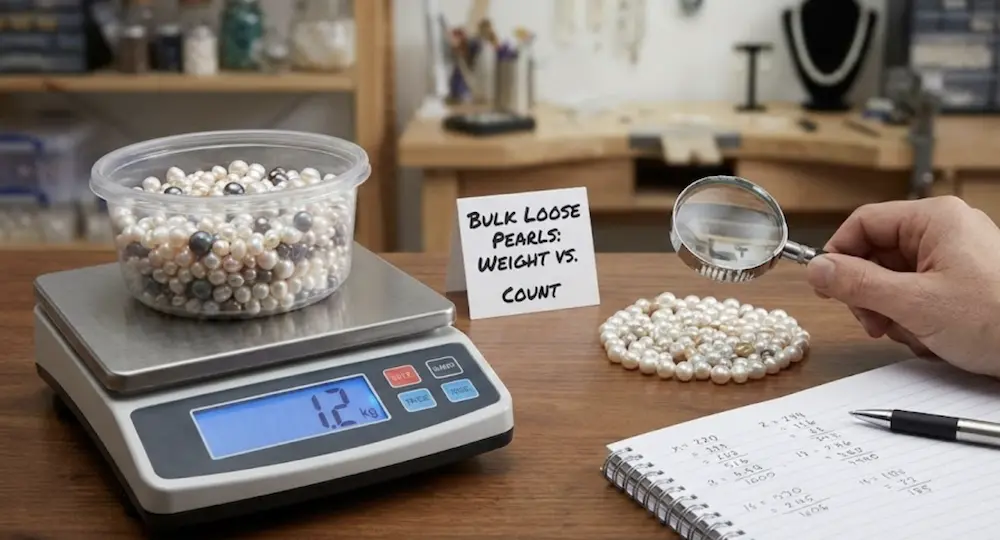
Why Bulk Loose Pearls Weight vs Count Price Matters More Than Ever
The pearl wholesale market uses three main pricing structures: per kilogram (weight-based), per piece (count-based), and per strand. Each method has different implications for your business.
Weight-based pricing dominates in Asian wholesale markets, particularly for freshwater pearls. The standard unit is kilogram (kg), though some Japanese suppliers still use traditional momme measurements. Count-based pricing means you pay per individual pearl. Strand pricing bundles typically 30-40 pearls together.
Your choice between bulk loose pearls weight vs count price methods directly impacts your bottom line. A 10mm round pearl weighs approximately 1.5 grams. If you buy 1kg by weight, you get roughly 667 pieces. But buying those same 667 pieces individually? You’ll pay 20-30% more.
Quick Comparison Table:
| Pricing Method | Best For | Average Cost Difference |
|---|---|---|
| Weight (kg) | Large bulk orders, mixed sizes | Baseline |
| Count (per piece) | Specific quantities, uniform quality | +20-30% |
| Strand | Ready-to-use matched sets | +15-25% |
The Hidden Math Behind Bulk Loose Pearls Weight vs Count Price
When evaluating bulk loose pearls weight vs count price options, you need to understand the density factor. Pearl size dramatically affects the count-per-kilogram ratio.
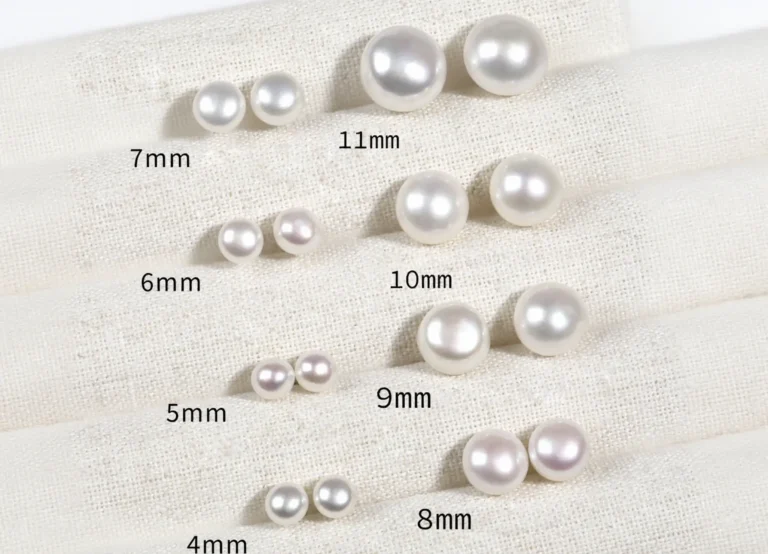
Smaller pearls (6-7mm) deliver approximately 2,000-2,500 pieces per kg. Larger pearls (10-12mm) only give you 400-600 pieces per kg. This matters because suppliers often push count-based pricing for larger sizes where the weight advantage disappears.
Here’s where it gets interesting. A Pearl Manufacturer running direct farm operations typically quotes by weight. Why? Because harvest yields are measured in kilograms. When you see per-piece pricing, there’s often a middleman involved.
Real-World Example: Let’s say you need 500 pieces of 8mm round freshwater pearls. At count pricing: $2.50 per piece = $1,250 total. The same pearls by weight? 500 pieces ≈ 625 grams (0.625kg). At $1,600 per kg, you pay $1,000. That’s $250 saved on one order.
3 Critical Factors That Change Bulk Loose Pearls Weight vs Count Price Value
Factor 1: Pearl Size Consistency
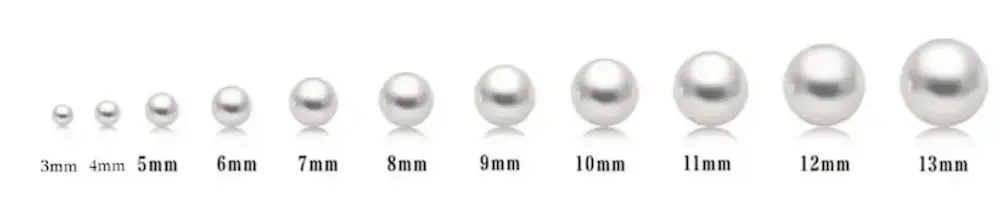
Weight pricing works best when you can accept mixed sizes within a range (like 8-9mm). Count pricing makes sense if you need exact uniform sizing. But here’s the catch—most jewelry designs can accommodate 1mm variation without anyone noticing.
Factor 2: Quality Grading Impact
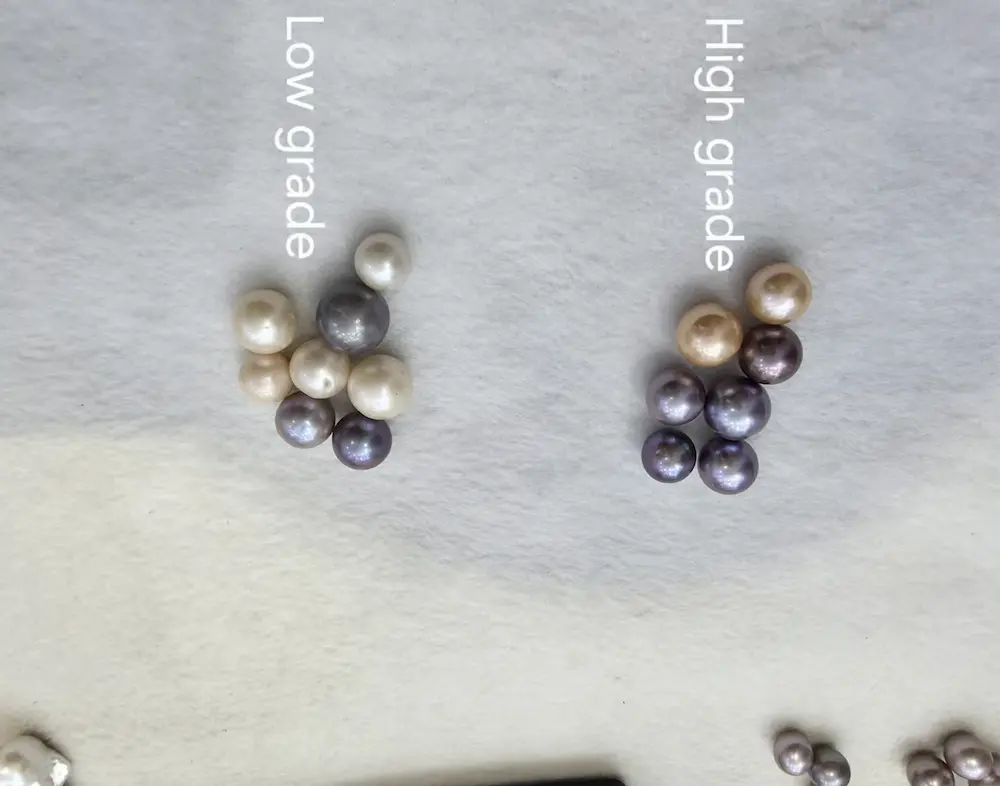
Higher grade pearls (AAAAA-AAAA) typically have standardized per-piece pricing because matching is critical. Commercial grades (A-AA) sell better by weight because quality varies more within the batch.
When dealing with bulk loose pearls weight vs count price for premium grades, expect to pay per strand or per piece. For commercial production? Weight-based buying through wholesale pearls channels saves serious money.
Factor 3: Shape Considerations
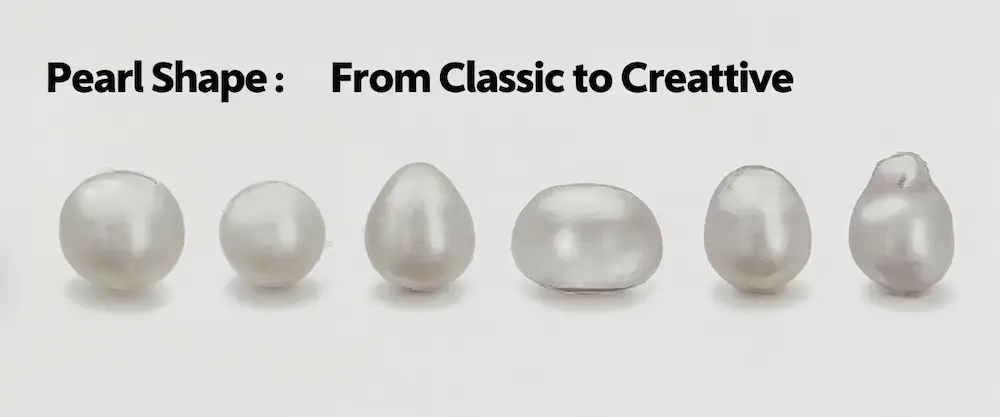
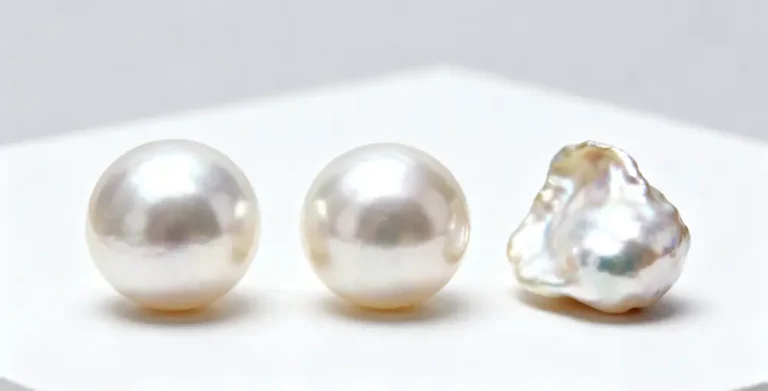
Round pearls have predictable weight-to-count ratios. Baroque, potato, and rice shapes? Weight pricing becomes your best friend. Why? Because irregular shapes vary wildly in individual pearl weight, making count pricing a nightmare to calculate fairly.
How to Calculate Your True Costs: Bulk Loose Pearls Weight vs Count Price
Most buyers mess this up. They compare headline prices without factoring in the complete picture.
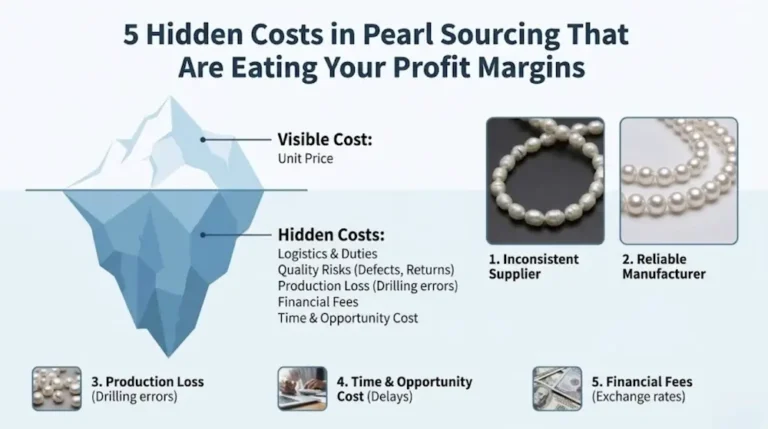
The Real Cost Formula:
- Base price (weight or count)
- Shipping (heavier = higher cost)
- Quality inspection time
- Loss from culling defects
- Processing/drilling fees
Weight purchases generally include 5-10% lower quality pearls you’ll need to cull. Count purchases should be pre-sorted, meaning less waste but higher per-unit cost. Calculate your effective cost after removing unusable pearls.
Price Conversion Quick Reference:
For 8mm round freshwater pearls:
- 1 kg = approximately 800-900 pieces
- 1 strand (40cm) = approximately 50-55 pieces
- 1 piece = approximately 1.1-1.3 grams
According to Gem Society, understanding weight-to-volume ratios is essential for any wholesale pearl purchasing strategy.
5 Scenarios Where Weight Pricing Wins vs Count Pricing
- You’re creating jewelry with size variation – Graduated necklaces, mixed-size designs, or artisan pieces benefit from weight pricing’s flexibility.
- You process high volumes – Production shops moving 10kg+ monthly save 25-35% buying by weight and sorting in-house.
- You’re testing new suppliers – Weight orders let you evaluate quality across a range without committing to specific counts.
- You source directly from farms – Farm-direct pricing structures are weight-based. Requesting count pricing adds markup.
- You’re buying commercial grades – Lower grades (A-AA) have more variation, making weight pricing fairer for both parties.
Smart Negotiation Tactics for Bulk Loose Pearls Weight vs Count Price
Start by requesting both pricing structures from your supplier. A legitimate Pearl Manufacturer can quote both ways instantly. If they resist? Red flag.
Negotiation Leverage Points:
Most suppliers offer volume tiers:
- 1-5kg: Standard pricing
- 5-20kg: 5-10% discount
- 20kg+: 15-20% discount
But here’s what they won’t tell you: you can negotiate hybrid pricing. Order by weight, but request pre-sorting to AAAAA or AAAA standard. Pay a small premium (2-5%) but avoid the full count-pricing markup.
For orders over $3,000, always request samples using both pricing methods. Compare quality-per-dollar, not just headline numbers.
The Quality Question: Does Bulk Loose Pearls Weight vs Count Price Affect Pearl Grade?
Myth: Weight purchases mean lower quality.
Reality: Pricing method and quality are independent variables.
Weight-based orders give you the full harvest spectrum—top grades, commercial grades, and everything between. Count-based orders should be pre-graded. Should be. Verify your supplier’s grading standards against GIA or CIBJO standards.
Quality Checkpoints for Any Pricing Method:
- Luster intensity (can you see your reflection?)
- Surface blemishes (under 10% surface area for AAAAA-AAA grades)
- Shape uniformity (round pearls: 95%+ spherical)
- Color consistency (minimal variation in batch)
- Nacre thickness (minimum 0.4mm for durability)
People want inspection photos that represent the real goods, not stock shots, whether they are buying by weight or count.
Technology Changes the Game: Digital Tools for Bulk Loose Pearls Weight vs Count Price Decisions
Modern pearl calculators can quickly change units. Enter the number of pieces you want, and they will figure out how many kilos you need and how much it will cost in both price structures.
At Xinye Pearl, we’ve developed conversion tools that factor in:
- Pearl size and shape
- Typical culling rates by grade
- Shipping costs by weight
- Minimum order quantities
- Volume discount tiers
This eliminates guesswork. You see total landed cost per piece regardless of how you buy.
Regional Differences in Bulk Loose Pearls Weight vs Count Price Standards
China (largest producer): Weight-based pricing dominates. Standard unit: kilogram. Most farms quote in kg for orders over 500g.
Japan: Traditional momme system persists. 1 momme = 3.75 grams. Akoya pearls are usually sold by the momme, however orders from other countries are converted to kg.
Southeast Asia: Hybrid approaches. Smaller operations quote count pricing. Larger farms offer weight-based for volume buyers.
When you get goods from different places, knowing these regional standards lets you compare them fairly.
Your Action Plan: Choosing Between Weight vs Count Pricing
Step 1: Calculate your typical order size in pieces.
Step 2: Use size/weight conversion tables to determine kg equivalent.
Step 3: Request quotes for same quantity using both methods.
Step 4: Factor in processing time and culling costs.
Step 5: Calculate cost-per-usable-piece after quality control.
For most jewelry businesses ordering 1kg+ monthly, weight pricing with in-house sorting delivers 20-30% cost savings versus count pricing. That’s the difference between marginal profits and thriving growth.
The decision about the price of bulk loose pearls weight vs count price isn’t about which method is preferable for everyone. It’s important to make sure that the pricing structure fits your company model, the number of orders you get, the quality you need, and your production capacity. Weight pricing gives more money to people who can sort and grade. Count pricing is good for people who want to save time and make things easier.
Knowing how the weight and count of bulk loose pearls affect their pricing is what sets successful pearl enterprises apart from ones that are having trouble. Every month, every year, and every order, the savings grow.
FAQ: Bulk Loose Pearls Weight vs Count Price
What’s the average price difference between weight and count pricing?
For orders over 1kg, weight-based pricing is usually 20–30% lower. For orders under 500g, the difference is just about 10–15%.
How many pearls are in 1 kilogram?
Depends on size. 6mm rounds: ~2,200 pieces. 8mm rounds: ~850 pieces. 10mm rounds: ~450 pieces. 12mm rounds: ~250 pieces.
Can I negotiate hybrid pricing?
Yes. Expect to pay 2-5% premium over straight weight pricing.
Do all suppliers offer both pricing methods?
Weight pricing is the most common way for farm-direct suppliers to set prices. Middlemen often employ count pricing since it hides how much they mark up. Always ask for both quotes.
How do I convert between pricing methods?
You can use pearl weight tools or conversion charts that are based on the shape and size of the pearl. All of our clients can use our free translation tools here at Xinye Pearl.
Which method is better for first-time bulk buyers?
For your first one or two orders, use count pricing to learn about quality requirements. Once you know how to grade, go to weight pricing to save money.
Whether you choose bulk loose pearls weight vs count price structures, the important thing is to know how much each useful pearl really costs after processing and quality control.



 EN
EN  JA
JA  AR
AR  IT
IT  ES
ES  DE
DE  KO
KO